Adaptive Algorithms Behind Roulette Loyalty Programs: Tailoring Incentives to Behavioral Patterns
Written by Ben Keller · May 23, 2026
Adaptive Algorithms Behind Roulette Loyalty Programs: Tailoring Incentives to Behavioral Patterns
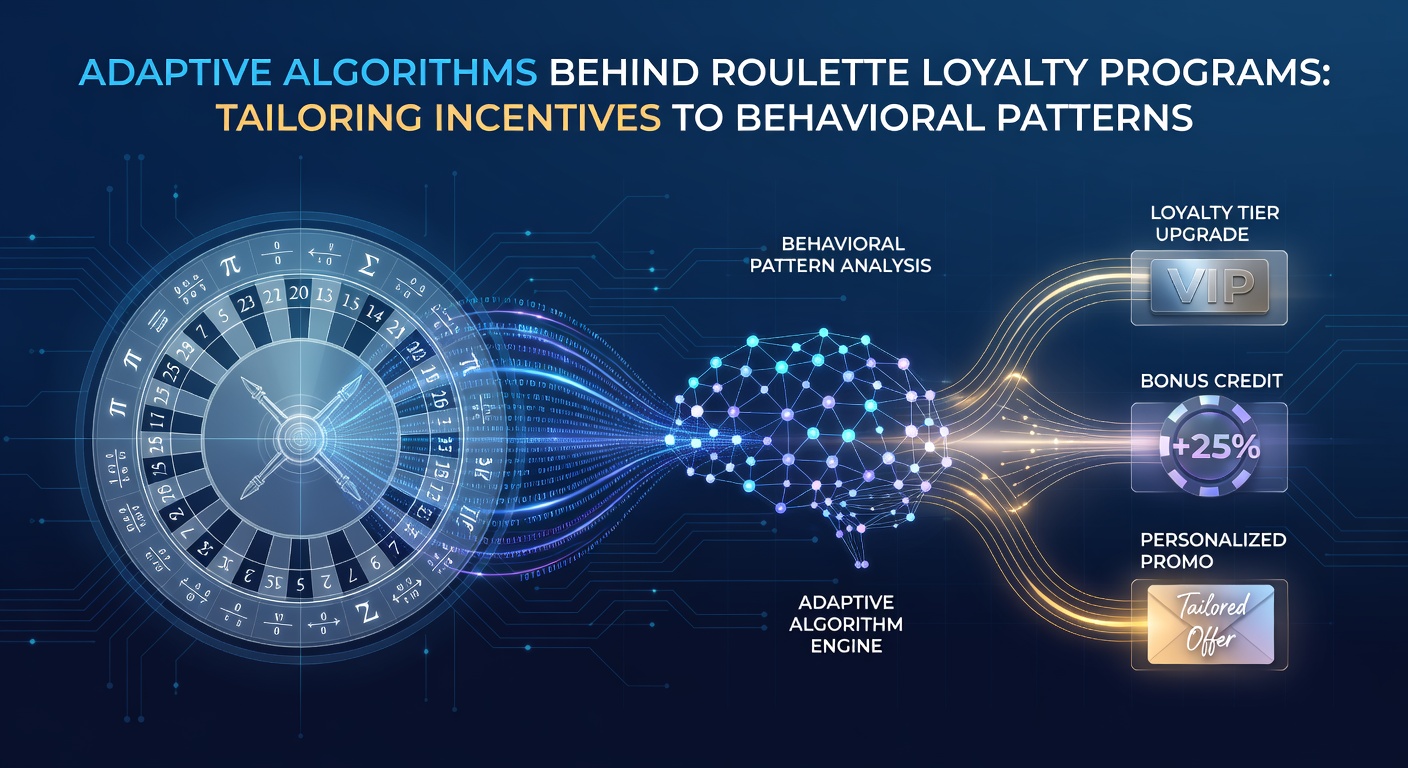
Online casinos deploy adaptive algorithms within roulette loyalty programs to process large volumes of player activity data and adjust reward structures accordingly, while researchers from the University of Nevada Reno have documented how these systems track metrics such as session duration, bet frequency, and game selection to refine incentive delivery over time.
Data Collection and Pattern Recognition Mechanisms
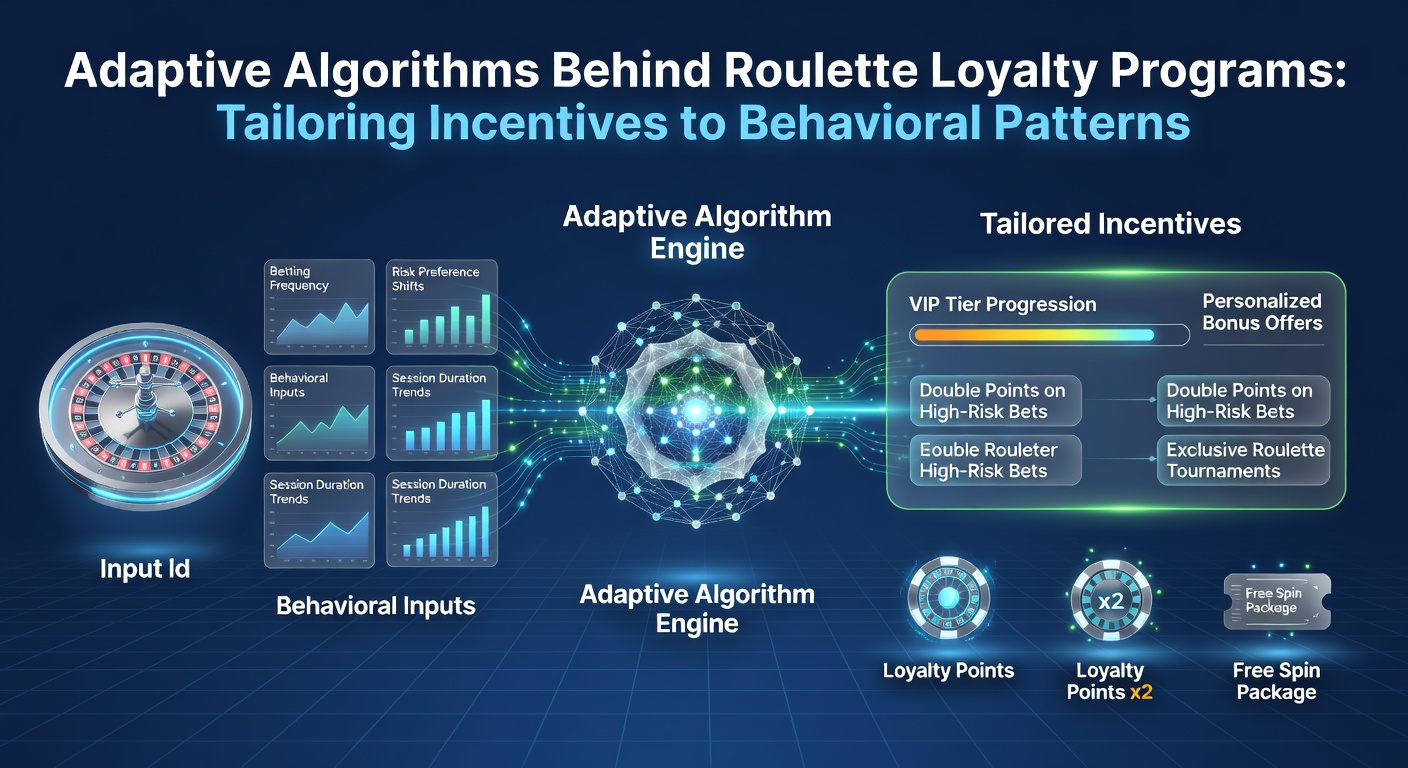
Casino platforms gather information from every spin including wager amounts, win rates, and time spent at the roulette table, then feed those inputs into machine learning models that identify clusters of similar behavior across thousands of accounts. These models apply clustering techniques and predictive scoring to forecast when a player might reduce activity or increase deposits, allowing the system to trigger targeted offers such as personalized cashback percentages or multiplier bonuses without manual intervention from staff.
One study released by the Australian Institute of Criminology in 2025 highlighted how pattern recognition layers within loyalty software detect shifts in risk tolerance, for instance noting when a participant moves from low-stakes European roulette to higher-volatility American variants, and subsequently adjusts reward tiers to maintain engagement levels. The algorithms operate continuously, updating player profiles after each session so that incentives remain aligned with observed habits rather than static categories.
Personalization of Incentives Through Real-Time Adjustments
Adaptive systems calculate individualized reward values by combining historical data with live inputs, then deliver offers via email, in-app notifications, or account dashboards at moments when engagement metrics suggest receptivity. For example, a player who consistently logs in during evening hours might receive reload bonuses timed to those periods, whereas another who favors weekend tournaments could see invitations to exclusive wheel events scaled to their average bet size.
These adjustments rely on reinforcement learning loops that test different incentive combinations on segmented user groups and retain those producing higher retention rates. Figures from the Canadian Gaming Association show that operators implementing such loops reported measurable increases in repeat session counts during the first quarter of 2026, particularly among roulette enthusiasts whose play patterns indicated sensitivity to time-limited multipliers.
Integration with Broader Casino Ecosystems
Loyalty algorithms do not function in isolation, they interface with payment processing, game servers, and customer support logs to create unified profiles that inform decisions across multiple channels. When a roulette player completes a deposit following a losing streak, the system may automatically escalate the loyalty tier or unlock a deposit-match offer calibrated to the account's recent volatility index.
Observers note that cross-platform synchronization allows mobile and desktop sessions to contribute equally to algorithmic scoring, ensuring that behavioral signals from either device receive equal weight in reward calculations. This integration supports seamless progression through loyalty ladders where points accumulate from roulette spins and convert into tier benefits such as faster withdrawal processing or dedicated account managers.
Regulatory Context and Technological Developments by May 2026
By May 2026 several jurisdictions outside the United Kingdom had introduced updated technical standards requiring operators to maintain audit trails of how algorithmic decisions affect player rewards, prompting software providers to embed explainability features that log the variables influencing each personalized offer. The European Gaming and Betting Association published guidelines that same month encouraging transparent disclosure of data usage within loyalty systems, leading many platforms to add player-accessible dashboards showing the main behavioral factors driving their current incentive levels.
These developments coincide with advances in edge computing that allow portions of the analysis to occur on user devices, reducing latency between data capture and reward delivery while still routing aggregated insights back to central servers for model refinement.
Conclusion
Adaptive algorithms continue to shape roulette loyalty programs by converting raw behavioral data into dynamic, individualized incentives that respond to shifting player patterns. The combination of continuous monitoring, predictive modeling, and cross-system integration produces reward structures that evolve alongside user activity, supported by emerging regulatory frameworks and technological improvements documented through mid-2026.