Casino Roulette Frameworks: Incentive Structures Driving Persistent Player Activity
Written by Dana Russell · Jul 14, 2026
Casino Roulette Frameworks: Incentive Structures Driving Persistent Player Activity
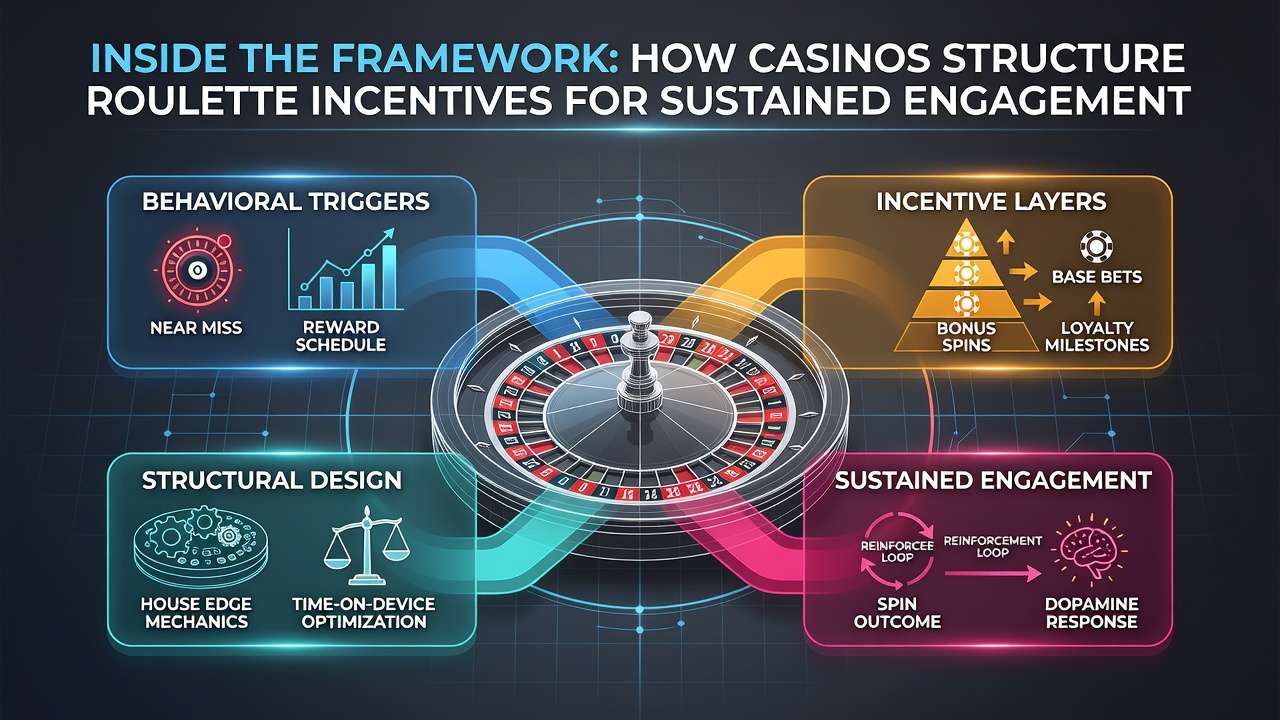
Operators design roulette incentive programs around sequential reward layers that begin with entry-level offers and expand through repeated activity, creating pathways that align deposit patterns with extended session times. These frameworks incorporate welcome packages, reload mechanisms, and tiered loyalty systems where each element builds directly on the previous one to maintain consistent participation across weeks and months.
Entry-Level Structures and Initial Engagement
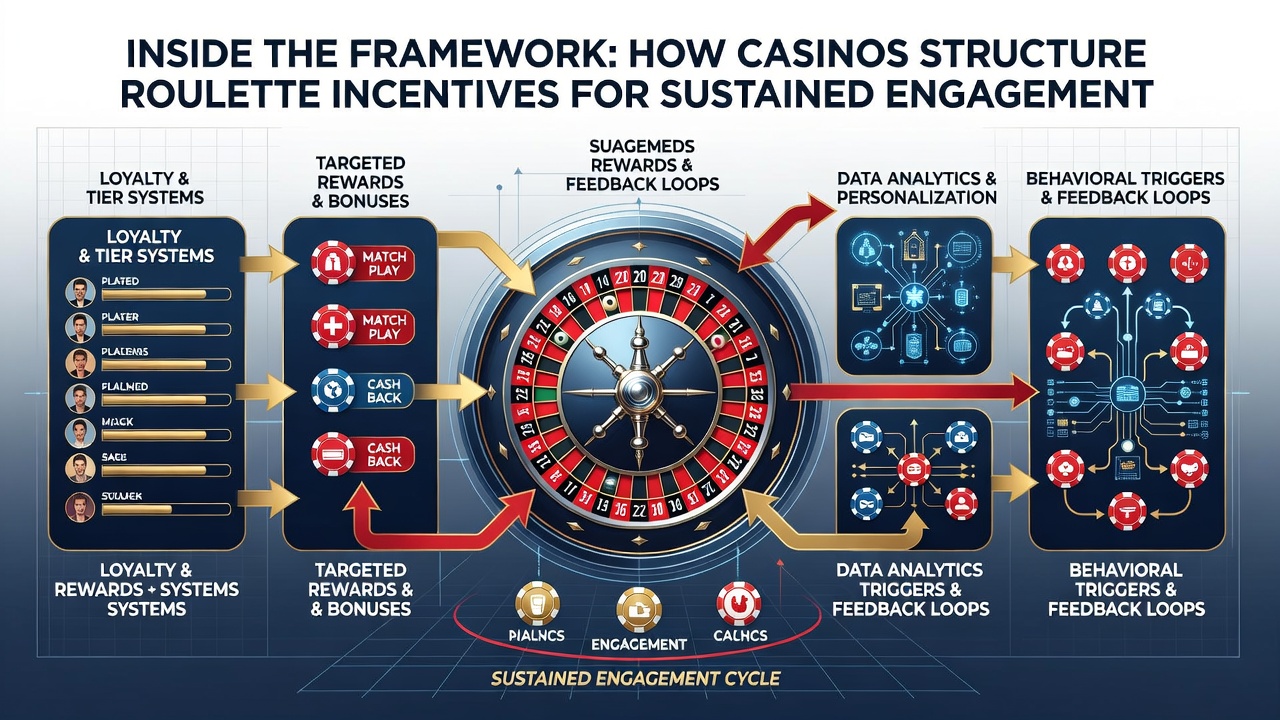
Casinos typically open incentive sequences with matched deposit bonuses or free spin allocations tied specifically to roulette tables, and these initial offers require minimum wagering thresholds that guide players toward the game format. Research from the American Gaming Association shows how such entry offers correlate with higher first-month retention rates when operators link them to live dealer variants rather than RNG-only options. Observers note that the structure often includes time-bound activation windows, which encourage prompt engagement while the bonus remains available.
Those who've examined multiple casino systems find that free play triggers frequently convert into deposit-based rewards once players complete a set number of spins, and this transition point marks the shift from acquisition to retention phases. Data from Nevada casino reports indicate that roulette-specific incentives produce steadier repeat visit patterns compared to slot-focused promotions because table game bonuses often carry lower house edges during promotional periods.
Reload and Recurring Reward Layers
After the welcome phase, operators introduce reload bonuses that activate on subsequent deposits, and these offers frequently scale with deposit size while maintaining a consistent percentage match across roulette sessions. The structure connects daily or weekly drops to specific game categories, ensuring that players who favor roulette encounter incentives tailored to wheel-based betting rather than generic promotions. Evidence from industry tracking reveals that reload frequency directly influences session duration, with players returning more often when offers reset on predictable schedules.
What's interesting here involves the integration of cashback elements that return a portion of losses during defined periods, and this mechanism functions as both a safety net and an engagement tool. Casinos apply these cashback percentages to roulette wagers exclusively in many cases, which encourages players to concentrate activity on that game while the offer remains active. Studies conducted by academic researchers in Australia have documented how loss-recovery incentives sustain play cycles even when individual sessions produce net deficits.
VIP Tier Progression and Long-Term Retention
Loyalty programs advance players through multiple tiers where each level unlocks enhanced roulette incentives such as higher cashback rates, exclusive free spin allocations, and personalized deposit matches. Advancement depends on accumulated points derived from roulette wagers, and operators set point thresholds that require consistent volume over time rather than isolated large bets. Figures from Canadian provincial gaming reports demonstrate that tiered systems generate measurable increases in monthly active users when rewards escalate noticeably between levels.
Those monitoring these programs observe that diamond or platinum tiers often include invitations to live events or dedicated account management, elements that extend the incentive structure beyond digital rewards into experiential territory. The progression framework therefore operates on both quantitative metrics and qualitative benefits, creating multiple retention vectors that keep high-activity roulette players within the ecosystem. July 2026 data from several North American jurisdictions shows continued expansion of these tiered models across both online and land-based platforms.
Sequential Mechanics and Behavioral Alignment
Operators sequence incentives so that completion of one reward phase automatically surfaces the next available offer, and this chaining reduces decision friction while maintaining momentum. Roulette-specific elements such as multiplier bonuses on even-money bets or dedicated wheel segments appear at intermediate stages to refresh interest without altering core game rules. Research indicates that players who encounter these sequenced triggers maintain higher lifetime engagement compared to those receiving isolated promotions.
The architecture also incorporates soft limits on bonus frequency that prevent over-saturation while still providing regular touchpoints throughout each month. Observers note that this calibrated approach avoids diminishing returns that can occur when identical offers repeat without variation. External analyses from European regulatory bodies outside the UK confirm that structured incentive frameworks contribute to steadier revenue patterns across roulette product lines.
Conclusion
Casino operators continue refining these layered incentive architectures by analyzing player data across multiple jurisdictions, and the resulting structures emphasize sustained roulette engagement through progressive rewards that scale with activity. The combination of entry offers, recurring reloads, tiered loyalty benefits, and sequential triggers forms a cohesive system designed to align operator objectives with extended player participation patterns. As platforms evolve through 2026 and beyond, these frameworks remain central to how roulette incentives function within broader retention strategies.