Decoding Roulette Promotion Sequences Across Loyalty Milestones
Written by Dana Russell · Aug 1, 2026
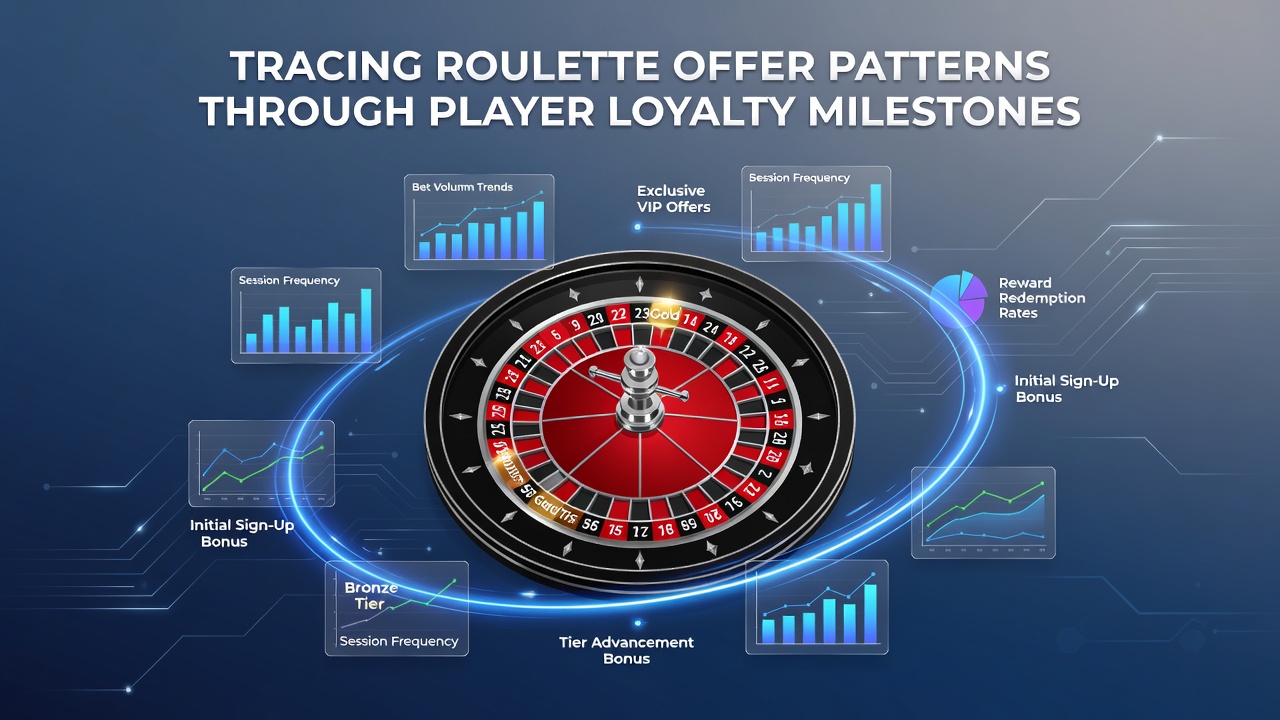
Decoding Roulette Promotion Sequences Across Loyalty Milestones
Online casino platforms structure roulette offers to align with player progression through defined loyalty stages, and data from industry reports shows these sequences often begin with entry-level incentives before expanding into sustained reward mechanisms. Observers note that initial milestones typically trigger deposit-matched bonuses or free spin allocations tied directly to roulette play, while subsequent thresholds introduce reload offers and cashback percentages that scale with accumulated activity.
Research indicates patterns emerge when players reach the first few hundred loyalty points or equivalent wagering volumes, at which stage many operators activate targeted roulette-specific reloads. These transitions occur because platforms track metrics such as session frequency and total stakes, allowing automated systems to deliver personalized promotions that maintain engagement across multiple weeks or months.
Initial Stages and Early Reward Triggers
Entry-level loyalty programs frequently pair no-deposit spins or small matched deposits with requirements for roulette table participation, and studies from academic institutions reveal these hooks convert into longer retention when followed by daily or weekly reload structures. What's interesting is how the mechanics shift once a player logs consistent activity over a 30-day window, moving from one-time bonuses toward recurring incentives that reference prior play history.
Take the example of platforms that monitor first-month volume. Those who've studied this know operators then introduce tiered cashback on roulette losses, often ranging from 5 to 15 percent depending on the milestone reached. August 2026 analyses from North American regulatory filings highlight similar progressions in several regulated markets, where loyalty dashboards display clear pathways from bronze to silver status accompanied by incremental offer upgrades.
Mid-Tier Escalation and Pattern Shifts
As players accumulate points toward gold or platinum equivalents, the offer patterns diversify to include live dealer roulette enhancements and wager-free spin allocations. Data shows these mid-level rewards frequently incorporate multi-game bundles while maintaining a core focus on roulette variants, and external tracking tools confirm the timing aligns with weekly or monthly activity summaries sent to accounts.
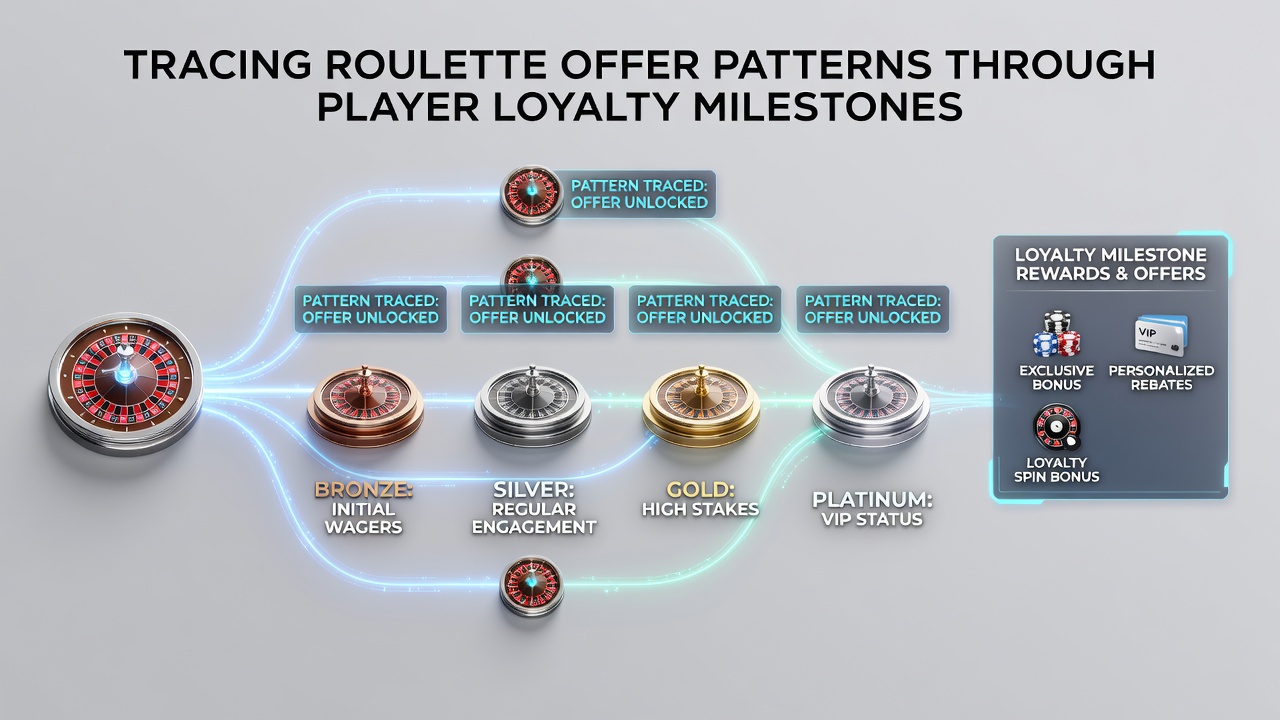
According to figures from the American Gaming Association, loyalty program participation in digital roulette environments demonstrates steady escalation once players surpass defined deposit thresholds. The sequences here involve code-based activations that unlock higher-value reloads, and researchers have documented how these codes often reference cumulative loyalty metrics rather than standalone events. But here's the thing: platforms adjust these offers dynamically, responding to real-time data on player spend and game preference.
Advanced Tiers and Sustained Incentive Webs
At diamond or elite levels, roulette promotions integrate elements such as personalized VIP hosts, exclusive tournament entries, and percentage-based cashback that applies across extended periods. Evidence from the Responsible Gambling Council of Canada indicates these high-tier structures correlate with longer average player lifecycles when the rewards emphasize consistency over one-off spikes. Observers note the patterns include layered conditions, for instance requiring minimum weekly roulette stakes alongside overall platform activity to maintain status.
Those who've examined loyalty databases point out that elite milestones often bundle live dealer sessions with no-wager incentives, creating sequences that extend bankroll duration. August 2026 industry summaries reflect continued refinement of these systems, particularly in how operators segment offers by region and game type to match observed behavior clusters.
Conclusion
Patterns in roulette offers tied to loyalty milestones reveal a progression from basic entry incentives through scaled reloads and into customized high-value structures. Reports across multiple jurisdictions demonstrate that operators rely on tracked metrics to time and tailor these sequences, producing measurable shifts at each defined threshold. The overall framework supports sustained participation while adapting to individual activity profiles recorded over successive periods.