Following Roulette Bonus Pathways From Starter Offers to Exclusive High-Roller Events
Written by Jordan Schröder · Jun 13, 2026
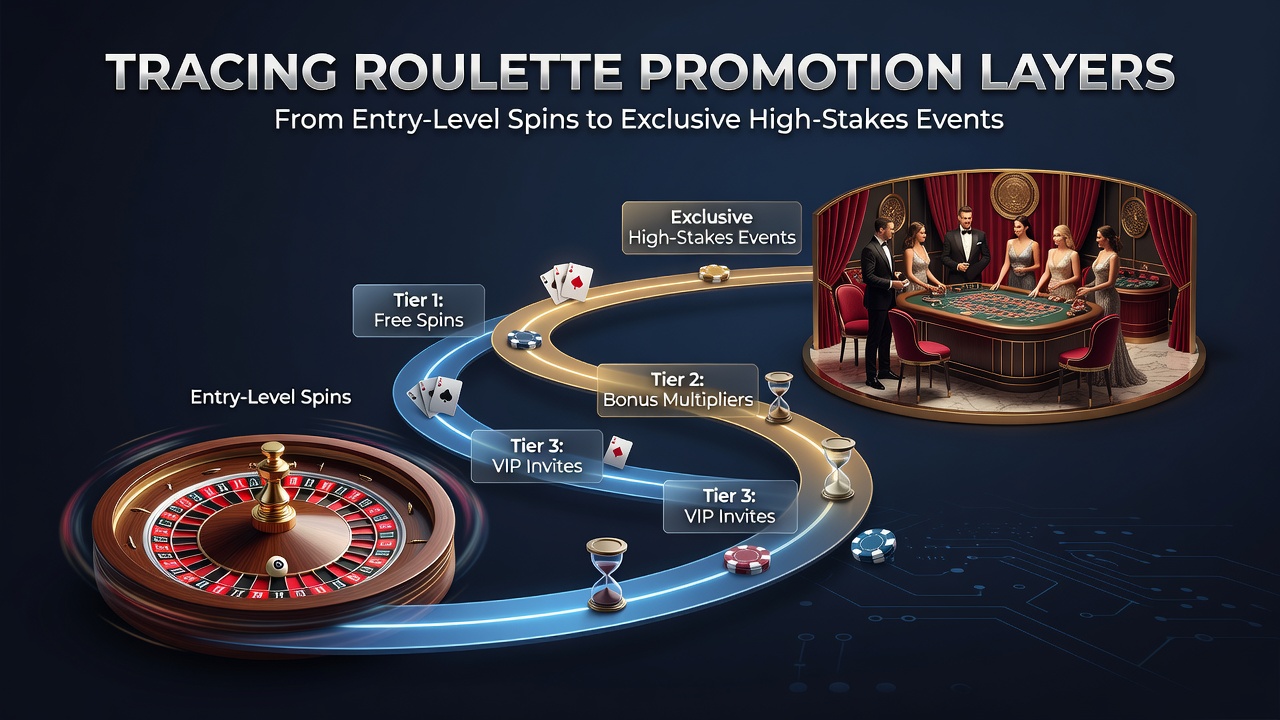
Following Roulette Bonus Pathways From Starter Offers to Exclusive High-Roller Events
Entry-level roulette promotions typically begin with no-deposit spins or matched welcome offers that allow new accounts to test standard wheel formats without initial funding commitments, and these structures often activate through simple registration or minimal verification steps. Data from multiple operators shows that such starting incentives frequently cap at fixed spin quantities or small cash equivalents, which then feed into deposit-triggered reload sequences where players receive percentage-based matches on subsequent transactions. Observers note that these early layers establish participation patterns while operators track engagement metrics that determine eligibility for escalated rewards.
Mechanics of Initial and Mid-Tier Layers
Players encounter daily or weekly spin allocations once consistent activity registers in the system, and these recurring credits combine with cashback percentages applied to net losses over defined periods. Research indicates that reload mechanics expand the available bankroll by returning portions of wagers across multiple sessions, whereas loyalty points accumulate from each spin and convert into bonus funds or free play at set thresholds. Figures reveal that mid-tier participants often qualify for enhanced spin values or reduced wagering requirements once cumulative play volume reaches operator-defined benchmarks.
Turns out these mid-level elements integrate live dealer variants where promotions extend to specific table minimums or time-limited multiplier events, and data shows participation in such formats accelerates point collection rates compared to automated wheel play. According to industry reports from the American Gaming Association, average session lengths increase when layered incentives align with live streaming schedules, creating measurable upticks in both volume and retention across tracked accounts.
Progression Into Loyalty Programs and VIP Structures
Loyalty programs organize these incentives into tiered systems where status levels unlock additional perks such as dedicated account managers, priority event invitations, and higher-value spin packages. Those who've examined operator databases find that advancement requires sustained deposit frequency and total wagered amounts, with each tier resetting or carrying forward based on quarterly or annual cycles. What's interesting is how point multipliers apply during promotional windows, effectively shortening the climb between levels when players time their activity around scheduled campaigns.
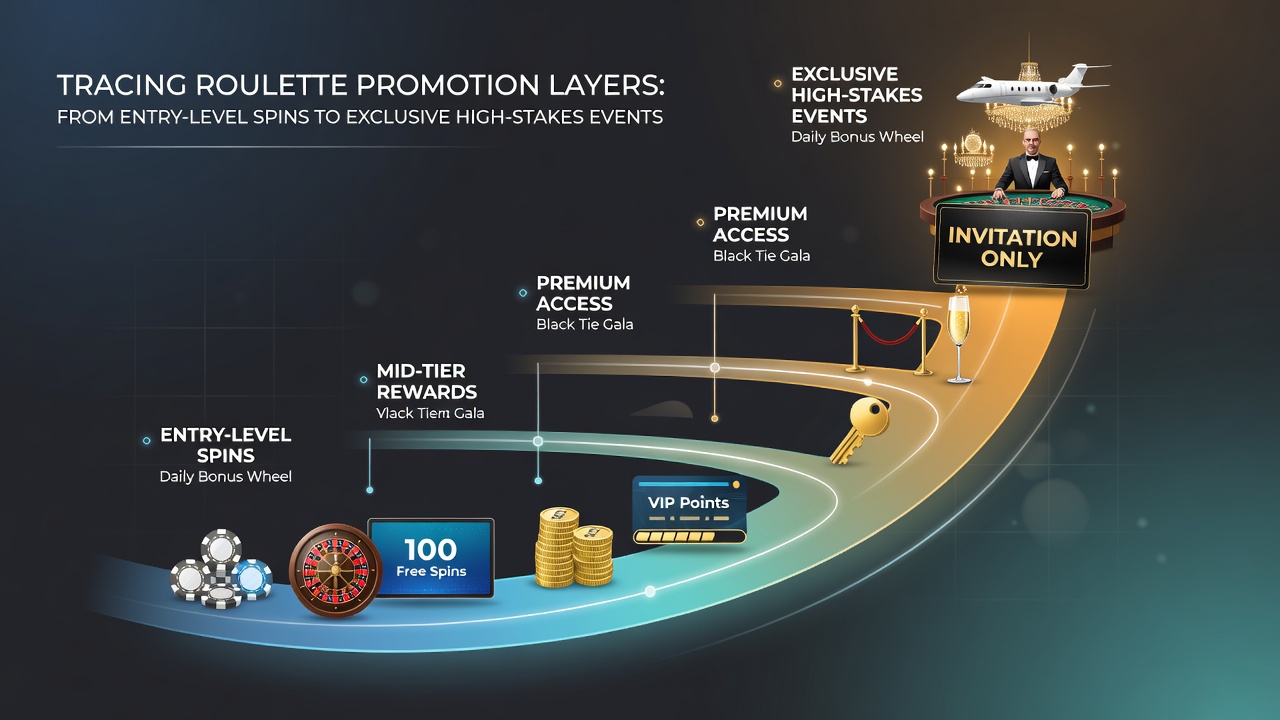
Exclusive high-stakes events represent the uppermost layer, where invited participants access private tournaments or invitation-only tables with elevated prize pools and custom rule variations. Evidence suggests qualification stems from combined metrics including lifetime deposits, average bet size, and prior tier status, while June 2026 calendars list several such gatherings tied to major sporting calendars that operators use to synchronize roulette side events. External links to regulatory filings from the Ontario Lottery and Gaming Corporation demonstrate that these events maintain separate reporting streams for transparency and responsible gaming compliance.
Integration of Sequential Incentives and Event Access
Sequential chaining occurs when entry spins convert into qualifying deposits that unlock reload matches, which in turn generate the activity volume needed for loyalty elevation. Studies from academic sources such as the Gambling Research Exchange Ontario indicate that players who follow these pathways exhibit longer overall engagement periods, with conversion rates improving once personal thresholds for VIP consideration are crossed. But here's the thing: operators adjust qualifying criteria periodically, and current patterns show increased emphasis on live dealer participation as a fast-track element within the structure.
High-stakes access further incorporates no-wager spin allocations or code-based boosters reserved for top-tier accounts, and these elements appear in documented player journeys that move from automated wheels to private salon environments. Researchers discovered through aggregated transaction analysis that event attendance correlates with elevated average wager sizes, creating feedback loops that reinforce tier maintenance across multiple quarters.
Conclusion
The layered architecture of roulette promotions therefore forms a continuous pathway where initial spins establish baseline activity, mid-tier mechanics sustain momentum, and elite events provide culminating access points for qualified participants. Data from diverse regulatory and research bodies confirms that these structures operate through measurable progression criteria tied directly to player behavior and account metrics, with June 2026 schedules reflecting ongoing alignment between standard loyalty cycles and scheduled high-stakes occasions.