Inside Roulette's Offer Pipeline: Tracing Signup Perks Through Live Tables and Loyalty Thresholds
Written by Henrik Keller · Jun 16, 2026
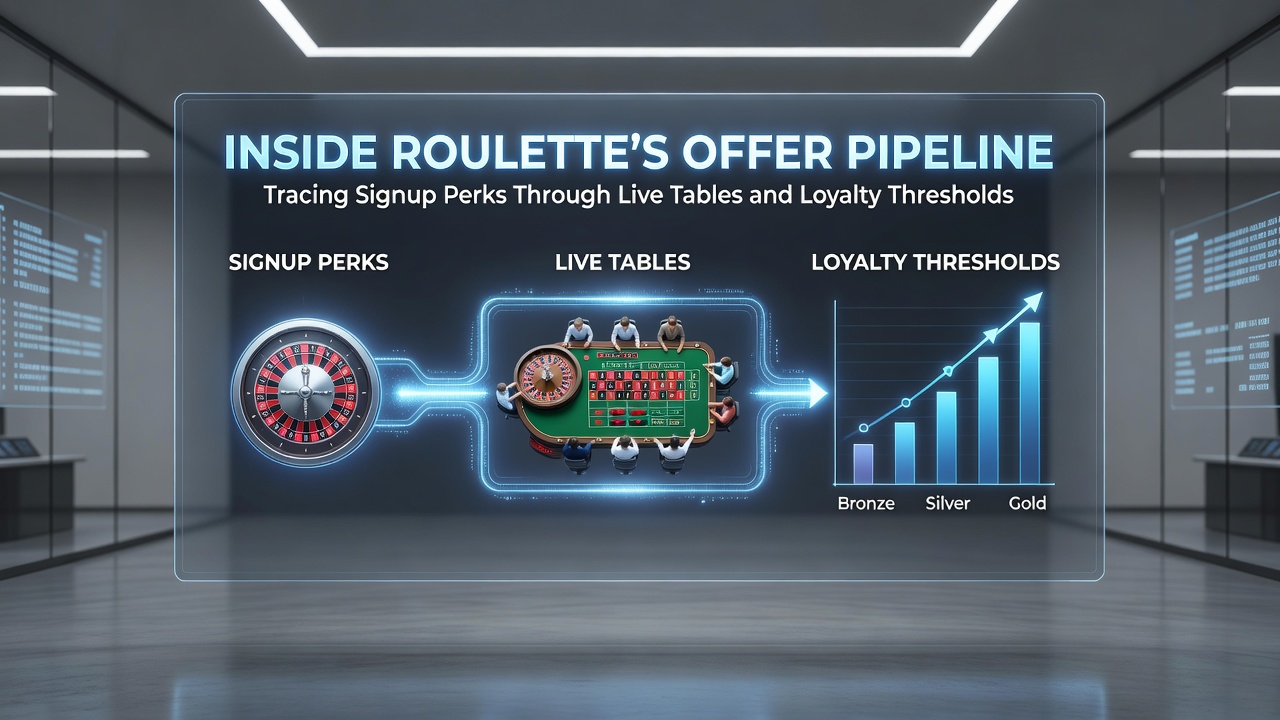
Inside Roulette's Offer Pipeline: Tracing Signup Perks Through Live Tables and Loyalty Thresholds
Players encounter structured sequences when they enter online roulette environments, where initial signup incentives connect directly to live table participation and advance toward loyalty program thresholds, and these pathways operate through defined mechanics that track activity across multiple stages. Data from industry reports indicates that operators design these pipelines to maintain engagement from the first deposit onward, while regulatory frameworks in various regions shape how perks convert into ongoing rewards.
Signup Entry Points and Initial Incentives
Registration processes typically activate the pipeline through welcome packages that include matched deposits or free spin allocations tied to roulette variants, and these offers often require specific wagering conditions before funds become withdrawable. Observers note that many platforms integrate tracking systems at signup to monitor how these early perks transition into live dealer sessions, which creates a direct line from account creation to real-time table play. Research from the Responsible Gambling Council shows patterns where initial bonuses encourage immediate movement toward live environments rather than static game modes.
Activation codes or deposit requirements serve as gateways, and operators link these elements so that fulfilled conditions unlock further access to live tables with enhanced stake options. Those who've examined multiple platforms find that signup perks frequently specify roulette as the qualifying game, which funnels activity toward both RNG and live dealer formats in sequence.
Progression Through Live Table Environments
Once signup incentives clear, the pipeline directs players into live dealer roulette sessions where real-time multipliers and table limits become accessible, and data indicates that live tables often carry separate contribution rates toward loyalty accumulation compared with automated wheels. Platforms structure these transitions so that time spent at live tables counts toward tier progression, while certain operators apply distinct multipliers during peak hours in June 2026 schedules.
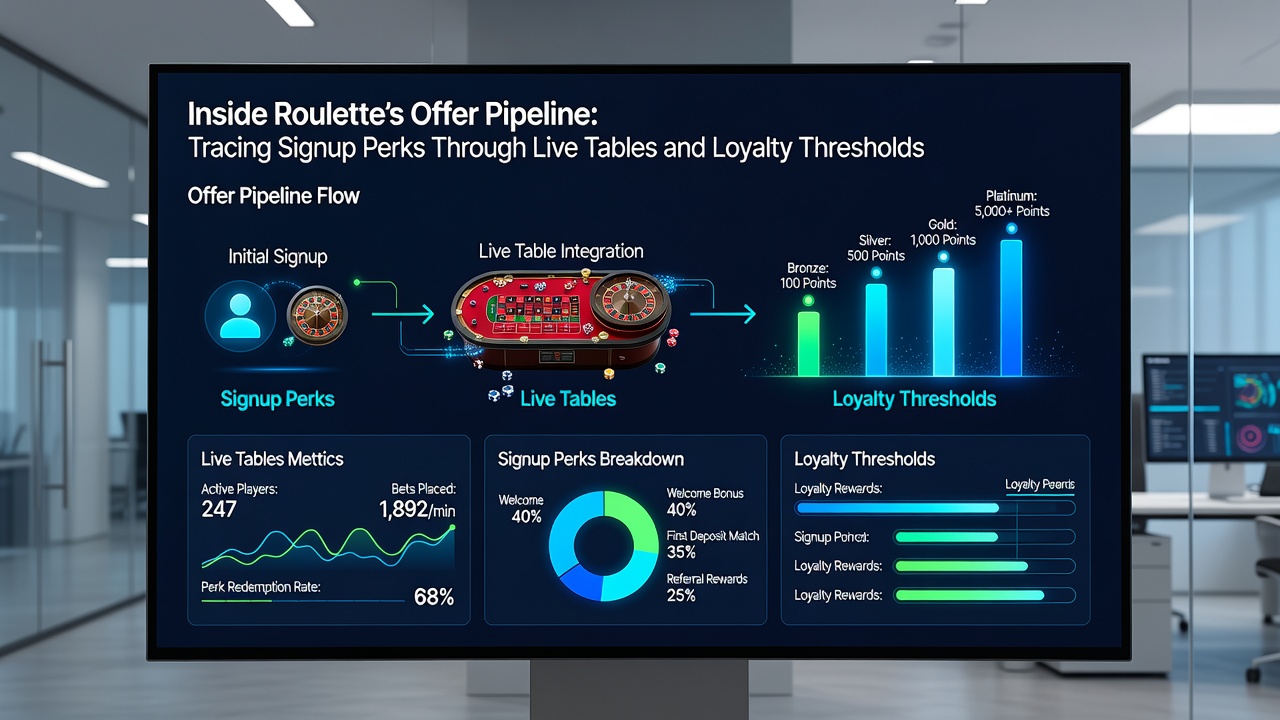
Live environments introduce additional layers such as chat-based promotions or table-specific leaderboards that feed back into the overall offer chain, and experts have observed that these features accelerate movement through loyalty thresholds by rewarding consistent participation. According to figures from the European Gaming and Betting Association, live dealer segments show higher retention rates when connected to progressive reward systems that begin at signup.
Loyalty Threshold Mechanics and Tier Advancement
Loyalty programs operate on cumulative point systems where live table wagers generate credits that unlock higher tiers, and thresholds typically require escalating volumes of play to reach benefits like cashback percentages or exclusive table access. The pipeline ensures that early signup perks contribute starter points, which then compound through sustained live sessions to meet monthly or quarterly milestones.
Operators set clear criteria for each level, with diamond or platinum designations demanding substantial cumulative activity across roulette formats, and studies from academic sources such as the University of Nevada Gaming Research Center reveal that transparent threshold structures correlate with longer player lifecycles. Points earned at live tables often receive premium weighting, which speeds advancement when compared with standard game contributions.
Integration of Perks Across Stages
Throughout the pipeline, operators maintain continuity by carrying forward unused portions of signup offers into loyalty calculations, and this integration prevents gaps between initial rewards and long-term benefits. Those monitoring industry trends note that reload incentives and daily challenges act as bridges, sustaining momentum while players accumulate the required activity for tier upgrades.
Regional variations appear in how thresholds are calibrated, with some markets emphasizing live table minimums while others allow broader game contributions, yet the core sequence from signup through live play remains consistent across major platforms. Reports compiled in 2026 highlight steady growth in live roulette participation as operators refine these connected reward structures.
Conclusion
The offer pipeline in roulette environments functions as an interconnected system that begins at signup and extends through live table engagement to loyalty thresholds, with each stage building measurable progress toward sustained rewards. Industry data continues to document how these sequences operate under established rules that balance player activity with program requirements across different regulatory landscapes.