Interlinked Incentive Structures: How Triggers Drive Ongoing Participation in Regulated Roulette Venues
Written by Henrik Keller · Jun 18, 2026

Interlinked Incentive Structures: How Triggers Drive Ongoing Participation in Regulated Roulette Venues
Regulated roulette environments rely on structured reward mechanisms that connect initial activation triggers to patterns of sustained player engagement, and these systems draw from behavioral research across multiple jurisdictions. Operators design sequences where small incentives such as free spins or matched deposits lead into layered loyalty structures, creating pathways that researchers track through participation data rather than isolated promotions.
Activation Triggers and Their Immediate Effects
Entry points in regulated roulette settings often begin with welcome mechanics that require account verification and a first deposit, after which players receive credits or spins that appear in their accounts within minutes. These triggers operate under strict rules set by licensing bodies, and data from Canadian provincial regulators shows that verified accounts demonstrate higher retention rates during the first 30 days compared with unverified ones. Activation works because the immediate credit delivery satisfies a basic response loop, yet the rules limit how frequently operators can repeat the same trigger for the same player.
Studies conducted by academic teams at institutions in Australia have examined how timing affects these initial steps, finding that triggers delivered within 24 hours of registration produce measurable increases in session length during subsequent visits. The environment stays controlled because every trigger carries wagering requirements that must clear before withdrawal, and these requirements appear in the terms displayed at the point of activation.
Pathways Connecting Early Rewards to Longer Sequences
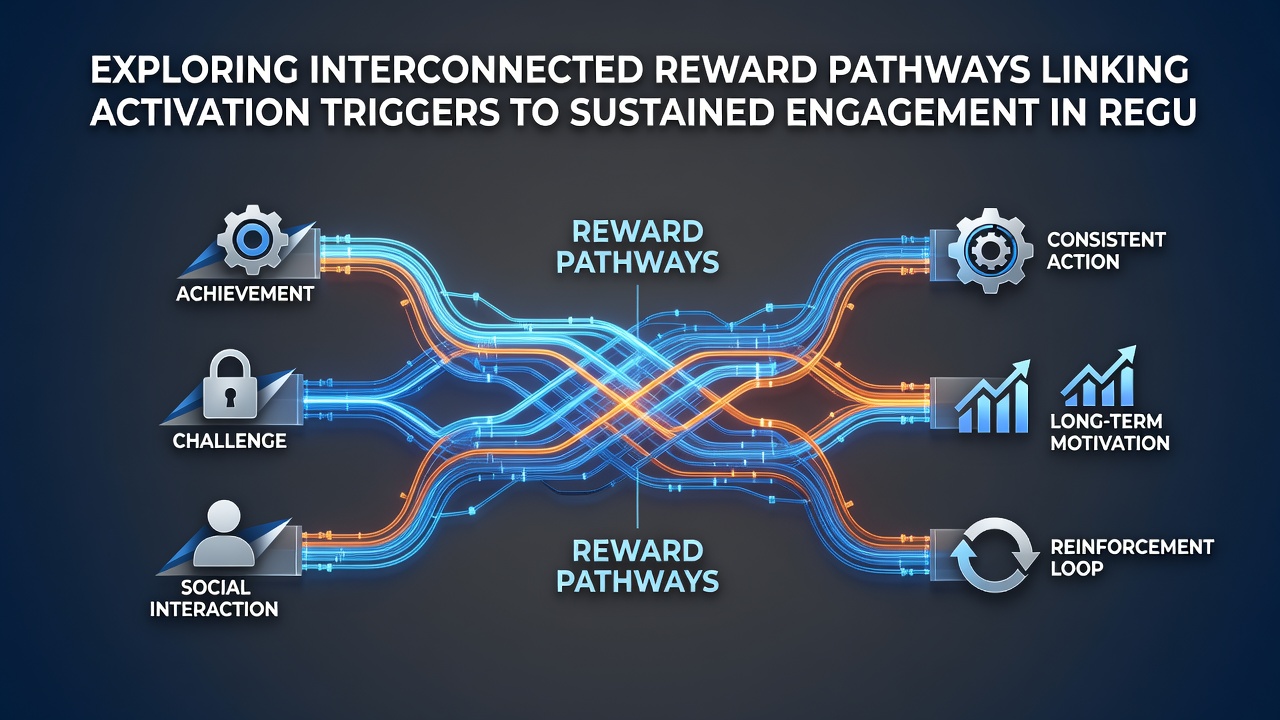
Once an activation trigger has been used, operators introduce follow-on incentives that escalate in value as players meet defined activity thresholds. Reload bonuses, for instance, become available after a second or third deposit, and the structure links the amount offered to the size of the deposit and the player's recent history. This creates a chain where the completion of one requirement opens the next, and longitudinal records kept by European regulatory agencies indicate that players who clear the first two thresholds show elevated activity levels over the following eight weeks.
The connections between stages rely on transparent tracking systems that log every deposit, wager, and reward redemption. When a player reaches a milestone such as 500 qualifying spins, an automated message appears offering the next tier of benefits, and this notification itself functions as another activation point within the larger pathway. Research groups monitoring these systems note that the spacing of milestones influences whether engagement remains steady or drops after the initial period.
Role of Loyalty Tiers in Maintaining Continuity
Loyalty programs add another layer by assigning points for every roulette spin, then converting those points into cashback, free play, or physical rewards once thresholds are met. In markets overseen by the Nevada Gaming Control Board, operators must publish the conversion rates and expiration policies for these points, which allows external observers to compare retention across different tier structures. Players who accumulate enough points move into higher tiers that unlock faster withdrawal processing and larger maximum bet limits, both of which function as continued incentives.
June 2026 saw several operators in multiple regions update their tier progression schedules after reviewing internal data collected through the first half of the year. The updates adjusted the number of points required to reach each level, and early figures released by industry associations suggest the changes produced shifts in average session duration without altering overall participation counts. These adjustments illustrate how operators refine the connections between triggers and sustained play while remaining inside regulatory boundaries.
Regulatory Oversight and Data Transparency
Licensing authorities require operators to maintain detailed records of every reward issued and every wagering requirement attached to it. In Australia, the state of New South Wales publishes aggregated statistics on bonus usage and player complaints related to terms and conditions, providing an external reference point for how pathways function in practice. Similar reporting occurs in New Jersey through the Division of Gaming Enforcement, which tracks the percentage of players who complete wagering requirements attached to initial triggers.
These reporting frameworks make it possible to observe whether interconnected rewards lead to longer engagement periods or whether players disengage once a particular sequence ends. The data sets do not include individual identities, yet they reveal patterns across thousands of accounts that researchers use to model the relationships between different types of activation events.
Conclusion
Regulated roulette environments demonstrate measurable links between activation triggers and continued participation through structured reward sequences that escalate in stages. Operators implement these sequences under rules that mandate clear terms, point tracking, and periodic reporting to licensing bodies. Academic studies and regulatory data sets from regions outside the United Kingdom supply evidence that the timing, spacing, and escalation of incentives correlate with changes in session length and return frequency. As operators continue to adjust tier requirements and notification timing, the same data sources will continue to document how those adjustments affect player behavior within the controlled setting.