Mapping Rush Hour Dynamics in Digital Roulette Incentive Systems
Written by Jordan Schröder · Jun 30, 2026
Mapping Rush Hour Dynamics in Digital Roulette Incentive Systems
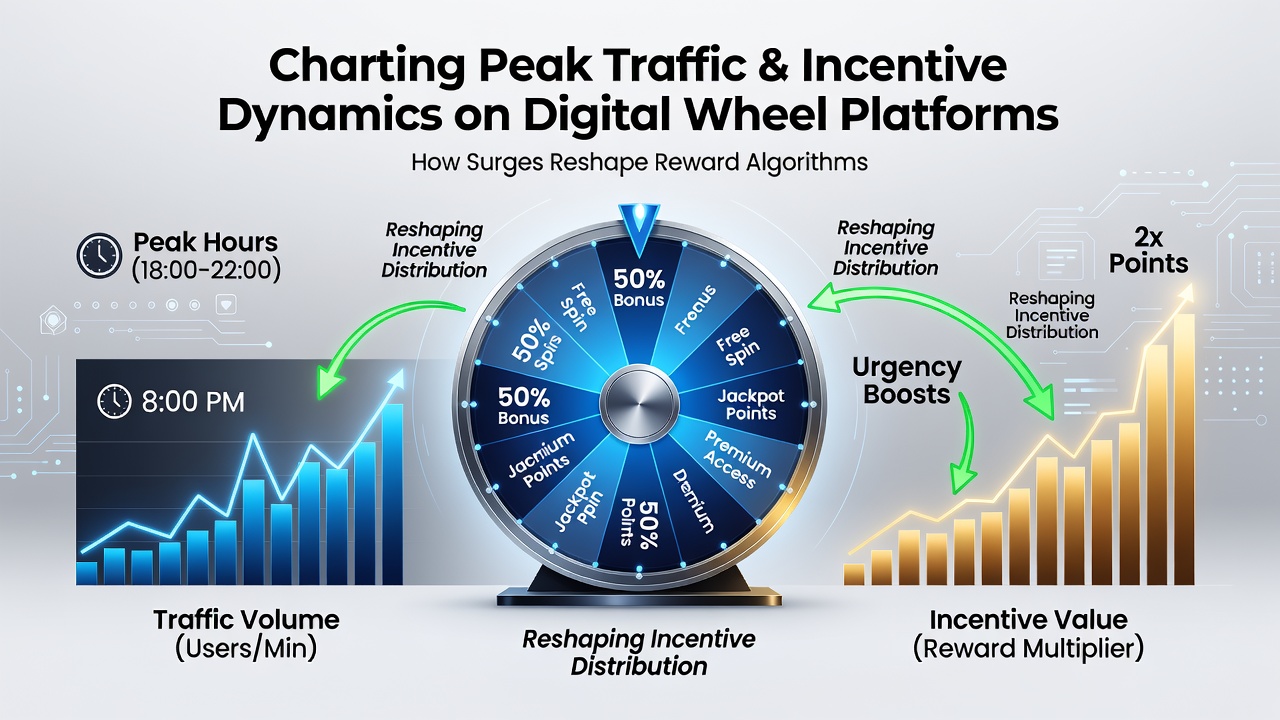
Digital wheel platforms experience distinct traffic surges during evenings, weekends, and major sporting events, which in turn prompt operators to recalibrate their incentive structures to manage player volume and retention. Research from the Nevada Gaming Control Board indicates that activity levels can rise by 40 to 60 percent between 8 PM and midnight on weekdays, leading platforms to adjust bonus pools, free spin allocations, and loyalty multipliers accordingly. Those who monitor these patterns note that the distribution of rewards often moves from broad welcome offers toward time-sensitive reloads and targeted VIP escalations during such windows.
Identifying Core Traffic Patterns Across Platforms
Operators collect anonymized session data to pinpoint when player numbers climb most sharply, with Fridays through Sundays consistently showing the steepest increases. A study published by the University of Nevada, Reno found that peak periods align closely with prime-time television slots and live sports broadcasts, creating predictable spikes that last two to four hours. During these intervals, platforms shift incentive emphasis because standard daily rewards no longer suffice to balance server load and engagement metrics. Data shows that free spin credits and cashback percentages frequently receive temporary uplifts, while deposit match offers may narrow in scope to focus on high-frequency users rather than new registrants.
Adjustments to Bonus Mechanics Under High Volume
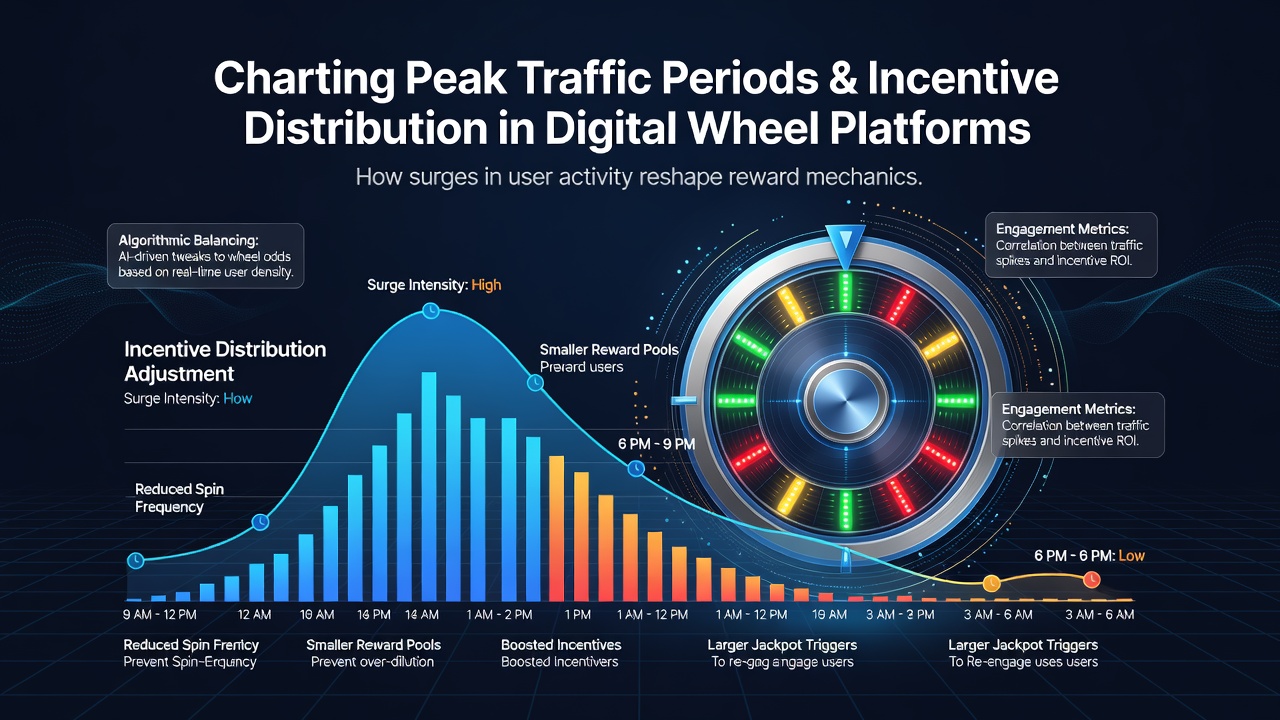
When traffic intensifies, many systems implement dynamic scaling for incentives, which means reward values fluctuate based on real-time player counts. According to figures released by the New Jersey Division of Gaming Enforcement, platforms recorded a 25 percent increase in sequential bonus activations during June 2026 peak windows compared with off-peak baselines. This adjustment occurs because operators seek to maintain session lengths without overwhelming support infrastructure, so they channel more resources into loyalty tier accelerators and streak-based rewards that encourage repeat spins within the same hour. Observers note that no-deposit triggers often pause or reduce in frequency, whereas reload chains and progressive jackpot contributions expand to capture sustained participation.
Regional Variations in Distribution Strategies
European operators tend to emphasize live dealer wheel incentives during late-afternoon surges, while North American platforms lean toward instant credit multipliers tied to hourly challenges. A report from the Australian Gambling Research Centre highlights that platforms in regulated markets adjust incentive caps differently based on licensing requirements, resulting in higher per-player reward ceilings during June 2026 events such as major tennis tournaments. These regional differences arise because traffic peaks interact with local time zones and cultural viewing habits, prompting tailored approaches to how free play and VIP progressions are released.
Effects on Loyalty and VIP Progression
Loyalty programs undergo the most visible restructuring when traffic volumes climb, since operators can accelerate point accumulation rates to retain active users without expanding overall marketing budgets. Researchers tracking these systems report that diamond and platinum tier climbs often receive multiplier boosts of 1.5x to 2x during identified peak blocks, which compresses the timeline for users to unlock exclusive wheel variants or higher table limits. The reality is that such shifts concentrate rewards among consistent players rather than spreading them evenly, because platforms prioritize retention of high-value accounts when server demand peaks. Evidence from industry analytics platforms shows this concentration effect strengthens further when overlapping events like international football matches coincide with standard weekend rushes.
Data-Driven Forecasting and Platform Responses
Advanced algorithms now forecast traffic surges up to 72 hours in advance by cross-referencing historical logs with external signals such as event calendars and weather disruptions. Platforms that apply these models can pre-allocate incentive budgets, which leads to smoother distribution and fewer abrupt changes mid-session. One analysis from the Canadian Centre for Gaming Research documented that operators using predictive tools reduced incentive overspend by 18 percent during June 2026 high-traffic intervals while simultaneously increasing average session duration by nine minutes. Such outcomes demonstrate how data integration allows incentive structures to flex without compromising regulatory compliance or player experience continuity.
Conclusion
Peak traffic periods continue to drive measurable changes in how digital wheel platforms allocate incentives, moving rewards toward time-bound reloads, accelerated loyalty progressions, and concentrated VIP benefits. Figures from multiple regulatory and academic sources confirm that these adaptations occur consistently across markets, with June 2026 data reinforcing the pattern of dynamic scaling during evenings and event-driven windows. The mechanisms remain grounded in session analytics and regional licensing frameworks, producing predictable yet adaptable distribution models that respond directly to volume fluctuations rather than static schedules.