Mobile App Ecosystems Shaping Roulette Player Retention Through Targeted Incentives
Written by Henrik Keller · May 21, 2026
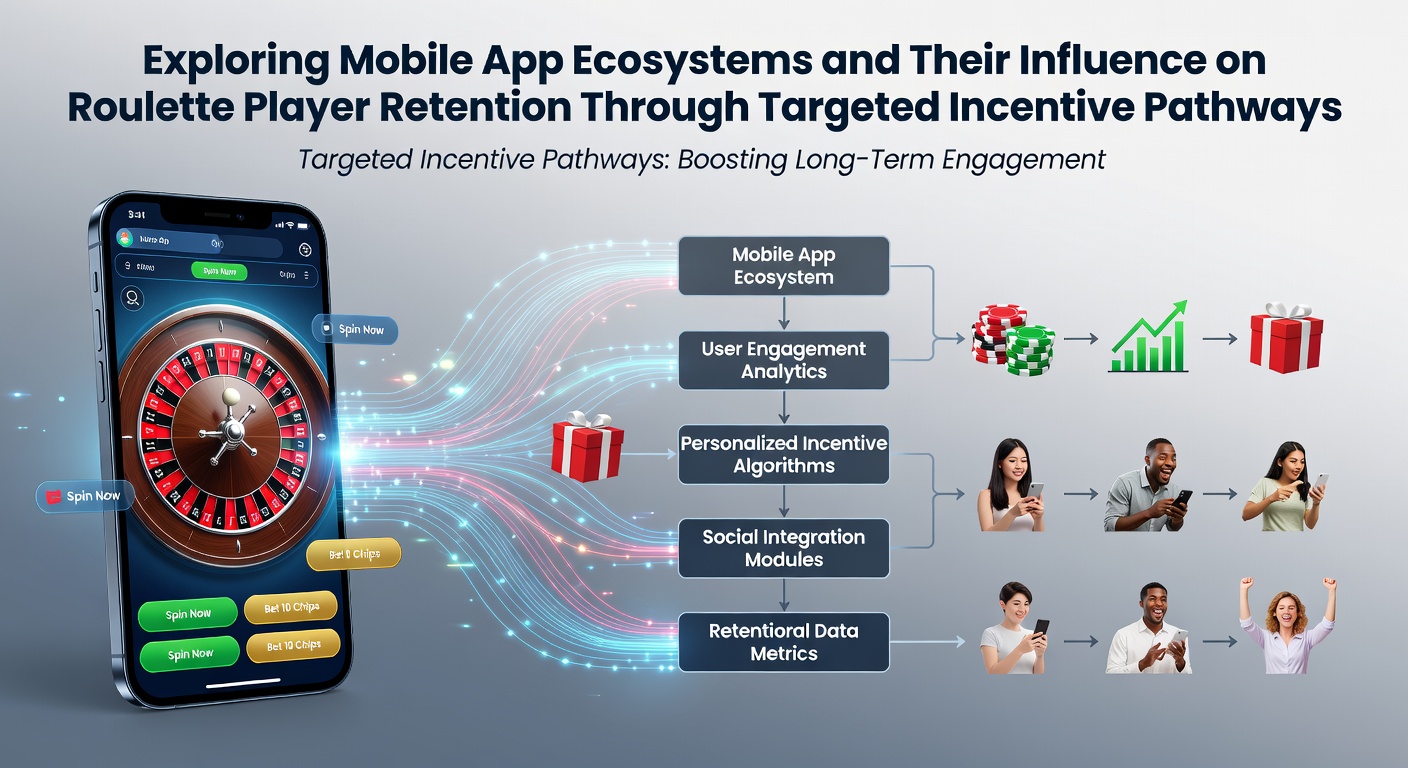
Mobile App Ecosystems Shaping Roulette Player Retention Through Targeted Incentives
Digital platforms have transformed how players engage with roulette, and mobile app ecosystems stand at the center of this shift, where developers integrate device features with casino systems to deliver seamless experiences that encourage repeated sessions. These ecosystems combine operating system capabilities, app store distribution, and backend analytics to track user behavior, which then informs the creation of incentive pathways designed to maintain engagement over extended periods.
App Ecosystems and User Data Integration
Developers build roulette applications within frameworks provided by major platforms such as iOS and Android, where push notification services, location services, and payment integrations allow real-time adjustments to player offers. Data collected through these channels includes session length, bet patterns, and time-of-day activity, which algorithms process to generate targeted rewards that align with individual play styles. Observers note that such integration creates pathways where initial deposits trigger follow-up incentives delivered directly through the app interface, reducing friction between play and reward activation.
Research indicates that mobile users who receive context-aware notifications show higher return rates compared to those using desktop versions alone, since the constant presence of the device enables immediate responses to limited-time offers. In May 2026, updates to app store guidelines across several regions introduced stricter requirements for transparency in data usage for gaming applications, prompting operators to refine their incentive systems while maintaining compliance with new disclosure standards.
Targeted Incentive Mechanisms in Practice
Casino operators deploy layered incentive structures inside mobile apps that begin with entry-level bonuses and progress toward personalized loyalty adjustments based on accumulated play data. These pathways often incorporate elements like deposit matches, free spin allocations tied to specific roulette variants, and streak rewards that activate after consecutive daily logins. Players encounter these offers through in-app banners or timed alerts that reference their recent activity, creating a feedback loop where participation generates further tailored opportunities.
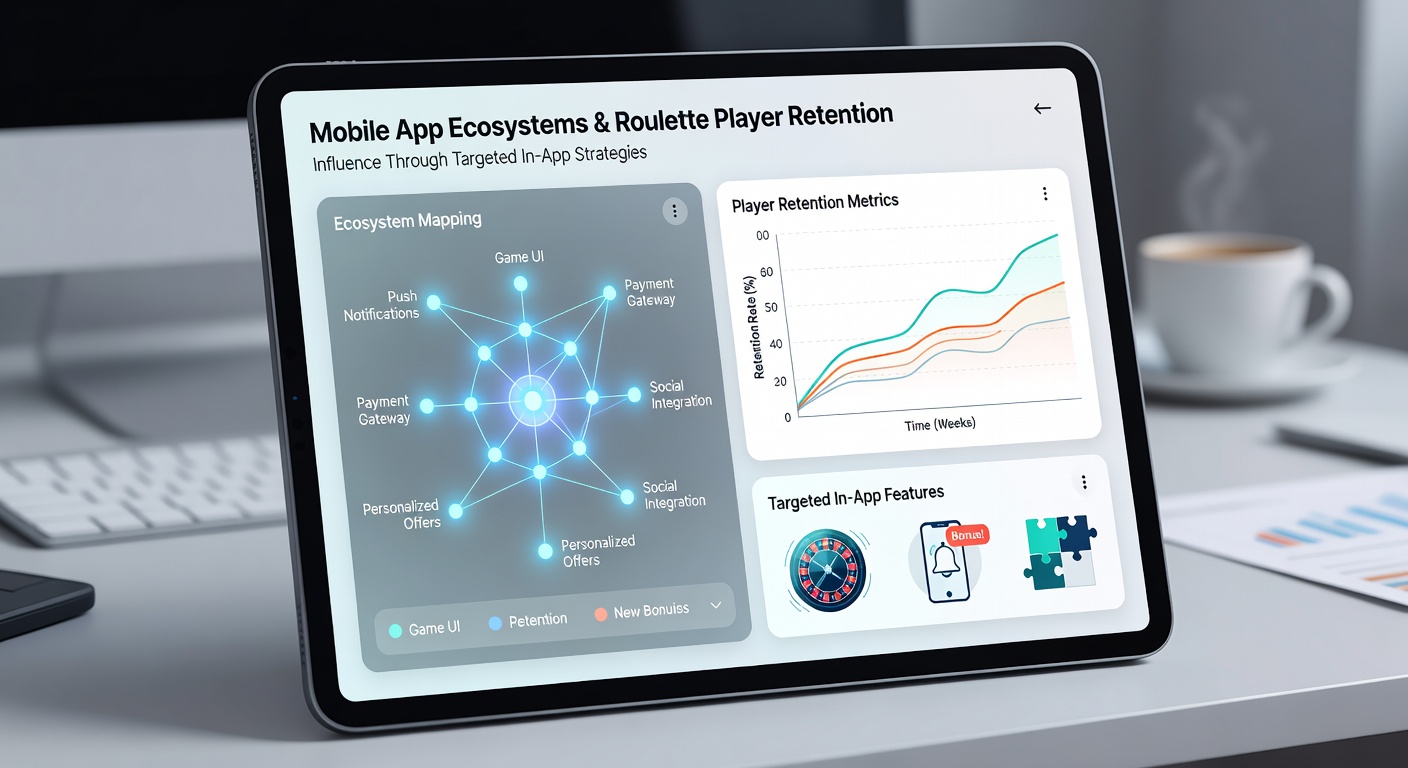
According to findings published by the European Gaming and Betting Association, mobile roulette sessions account for a growing share of overall activity in regulated markets, with retention metrics improving when operators link incentives directly to app-based tracking. The association's analysis highlights how push-driven pathways help sustain engagement by delivering rewards at moments when player activity typically declines, such as mid-week periods or after extended breaks from the platform.
Retention Patterns Across Different Regions
Studies from various regulatory environments reveal consistent patterns in how mobile ecosystems influence long-term roulette participation. In jurisdictions with mature iGaming frameworks, operators report that users who complete initial incentive pathways within the first seven days demonstrate substantially higher lifetime value, as the app environment facilitates ongoing adjustments to bonus eligibility. Canadian provincial data, for instance, shows mobile applications supporting higher completion rates for loyalty milestones compared to web-based alternatives, largely because integrated wallet features allow seamless progression from one reward tier to the next.
What's notable here is the role of gamification elements embedded in these apps, including progress bars for bonus accumulation and achievement badges that appear alongside roulette tables. These features transform standard incentive delivery into interactive journeys that keep players returning to monitor and claim updates. Industry reports further indicate that cross-device synchronization ensures players maintain access to their incentive status regardless of whether they switch between phones and tablets, which helps prevent drop-off during transitions.
Challenges and Platform Adaptations
Operators face ongoing technical demands when maintaining these ecosystems, particularly around security protocols that protect player data while enabling precise incentive targeting. App updates must address both performance optimization for graphics-intensive roulette simulations and compliance with evolving store policies regarding promotional content. Those who have examined retention statistics across multiple operators find that successful pathways balance frequency of offers with relevance, avoiding notification fatigue that could otherwise reduce app engagement.
Academic research from institutions tracking digital entertainment consumption points to correlations between app ecosystem maturity and sustained roulette activity, where personalized pathways outperform generic promotions by measurable margins. These studies emphasize the importance of testing different notification timings and reward types to identify combinations that best support continued participation without overwhelming users.
Conclusion
Mobile app ecosystems continue to evolve as central tools for structuring incentive pathways that support roulette player retention, with data integration and real-time delivery mechanisms forming the backbone of these strategies. As platforms adapt to new guidelines emerging in 2026, operators refine their approaches to maintain effective targeting while meeting transparency standards across regions. The connection between app functionality and incentive design remains a key factor in how digital roulette environments sustain long-term user involvement.