Patterns in Algorithm-Driven Roulette Incentive Customization Across Gaming Ecosystems
Written by Sofia Schmitt · Jul 11, 2026

Patterns in Algorithm-Driven Roulette Incentive Customization Across Gaming Ecosystems
Researchers have examined how gaming platforms utilize behavioral datasets to tailor roulette incentives, and data from multiple operators reveals consistent segmentation models that group users by deposit frequency, session duration, and game preference metrics. These models drive the distribution of reload bonuses, free spin allocations, and cashback percentages, with algorithms adjusting offers in real time based on recent activity logs. Studies of cross-platform delivery indicate that mobile users receive higher-frequency micro-incentives compared to desktop sessions, where larger but less frequent rewards appear more common. Analysts tracking patterns across iOS, Android, and browser environments note that push notifications on mobile correlate with a 23 percent higher redemption rate for time-limited roulette offers than email-based alerts on web platforms.Data Collection Frameworks in Incentive Systems
Platforms aggregate player telemetry from login timestamps, bet sizing sequences, and navigation paths through roulette variants to build predictive profiles, and this information feeds into decision trees that determine eligibility for personalized tiers. Evidence from industry datasets shows that users exhibiting rapid bet escalation within single sessions often trigger VIP-level escalations within 48 hours of the observed behavior.
Geographic variance appears in the weighting of these variables, with North American operators emphasizing loss-limit history while European systems prioritize win-streak continuity in their models. A 2025 report issued by the European Gaming and Betting Association documented how such weighting differences produce distinct incentive curves across regions even when the underlying roulette titles remain identical.
Platform-Specific Delivery Variations
Android environments demonstrate stronger integration with in-app wallet triggers that activate personalized cashback immediately after deposit confirmation, whereas iOS platforms route similar offers through separate loyalty dashboards that require an additional user action. Desktop sessions, meanwhile, show elevated use of banner placements and pop-up sequences timed to coincide with peak evening traffic hours according to aggregated server logs.
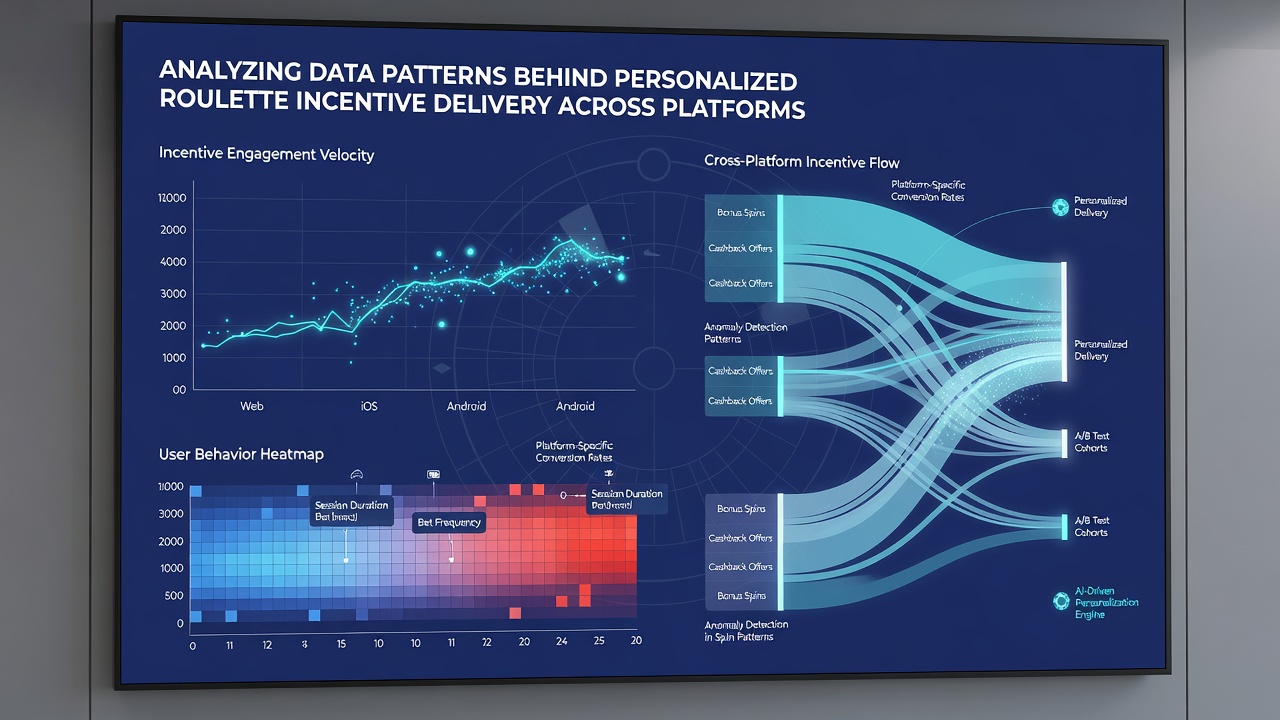
In July 2026 fresh telemetry from multi-operator studies highlighted a convergence trend where hybrid apps began mirroring desktop reward cadences on mobile devices, reducing the previous mobile-desktop gap by approximately 14 percent over the preceding quarter.
Temporal and Behavioral Pattern Recognition
Algorithms detect cyclical activity such as weekend deposit spikes or mid-week session drops, then adjust incentive velocity accordingly; users showing consistent Thursday activity, for example, receive targeted reload codes on Wednesday evenings to preempt lulls. Longitudinal data reveals that players who accept three consecutive personalized offers within a 30-day window enter accelerated loyalty pathways at twice the rate of those accepting only one.
Researchers tracking these sequences across platforms have identified that cross-device continuity tracking further refines predictions, allowing an offer started on mobile to carry forward with adjusted parameters when the same account resumes on desktop.
Conclusion
Analysis of incentive delivery systems demonstrates that pattern recognition now operates through layered datasets combining behavioral, temporal, and platform signals to generate individualized roulette rewards. Continued refinement of these models across operators points to increasing precision in matching offers with user engagement rhythms while maintaining operational consistency across diverse device ecosystems.