Shifting Gears in Roulette Reward Cycles: How Session Length Data Drives Platform-Specific Offer Adjustments
Written by Ben Keller · Jun 4, 2026
Shifting Gears in Roulette Reward Cycles: How Session Length Data Drives Platform-Specific Offer Adjustments
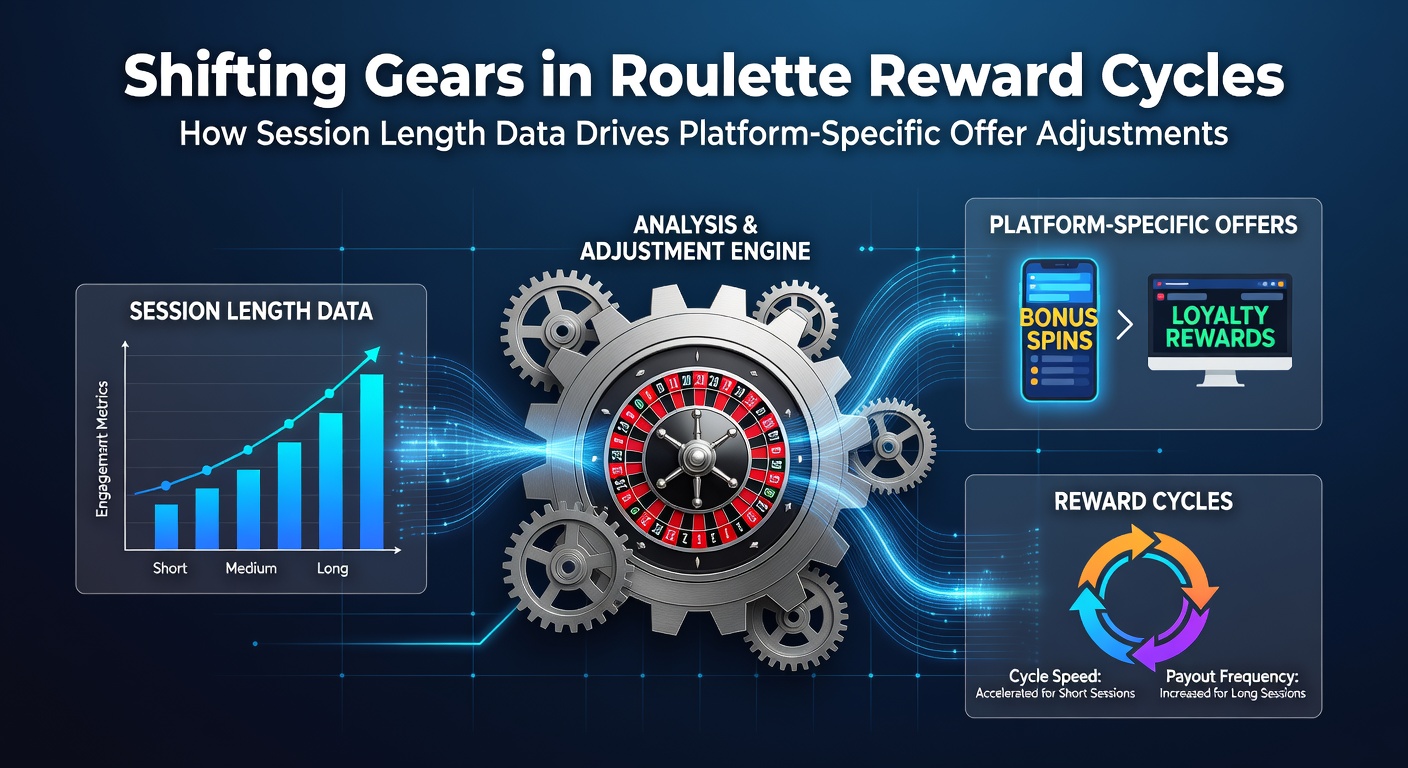
Session length data has emerged as a core driver in how online roulette platforms refine their reward structures, and operators track average play durations alongside frequency patterns to recalibrate bonus triggers and loyalty tiers. Platforms collect granular metrics through integrated tracking systems that log time spent per session, spin intervals, and deposit behaviors, then feed these inputs into algorithmic models that adjust offer parameters on a per-platform basis.
Data Collection and Its Role in Reward Cycles
Operators monitor session durations because shorter bursts often signal casual engagement while extended sessions indicate deeper involvement, and this distinction allows systems to shift reward cycles accordingly. In practice, a platform might shorten wagering requirements for users whose sessions average under thirty minutes, whereas longer sessions trigger scaled cashback percentages that activate only after sustained play thresholds are met. Researchers at academic institutions have documented these shifts in multiple studies, noting that such adjustments help platforms maintain engagement across varied player segments without uniform bonus structures that ignore behavioral differences.
Platforms in regulated markets compile this information through player accounts that record timestamps at login, spin initiation, and logout points, creating datasets that update in real time. According to figures from the New Jersey Division of Gaming Enforcement, session length analytics contributed to a measurable uptick in targeted promotions during the first half of 2026, with adjustments appearing most frequently in roulette verticals where data variance proved highest. These changes manifest as dynamic reload offers that scale based on whether a player's recent sessions exceed or fall below established benchmarks for that specific site.
Platform-Specific Adjustments Driven by Session Metrics
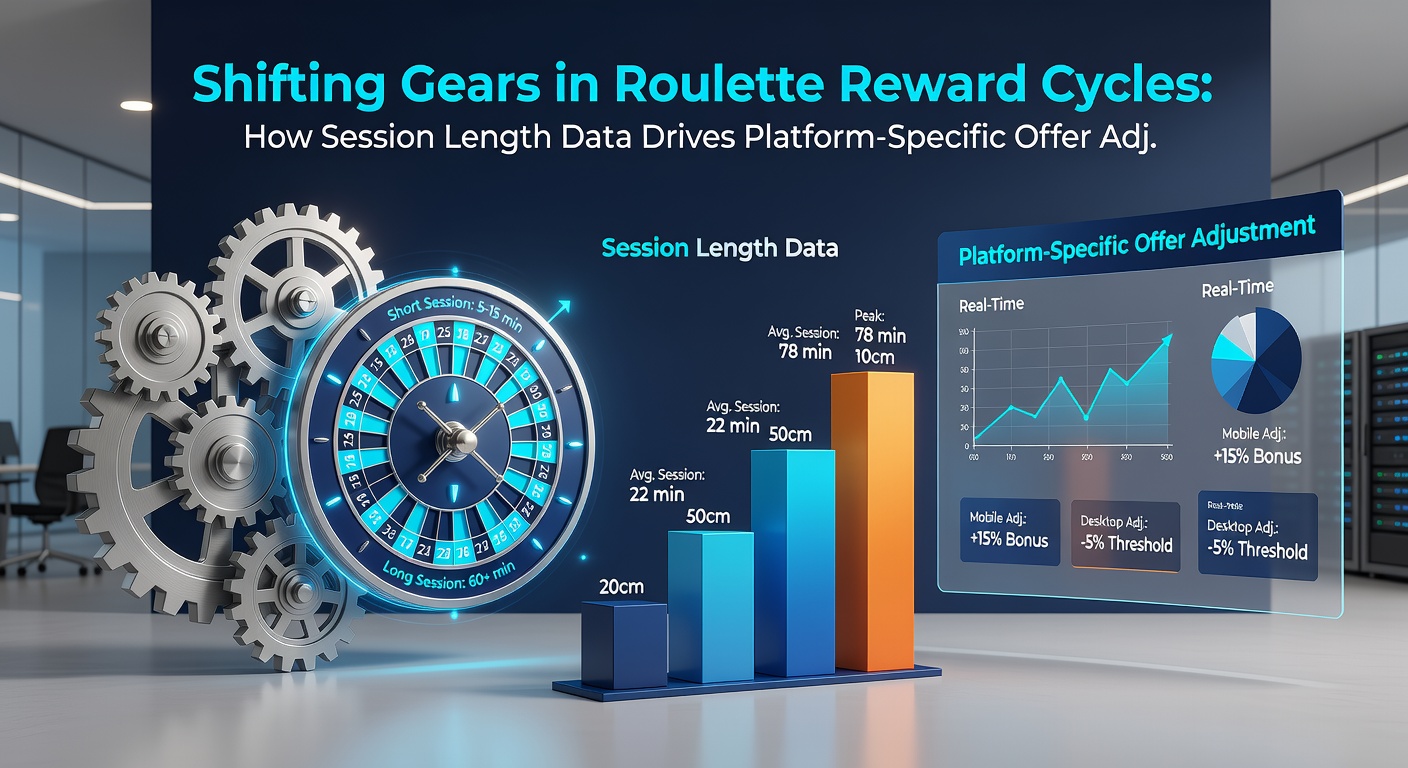
Each platform tailors its response to session data because regulatory environments, player demographics, and technical infrastructures differ, and what works on one site may not translate elsewhere. One platform might extend free spin allocations to sessions that hover around forty-five minutes because internal models show this duration correlates with higher retention rates, while another reduces bonus eligibility for sessions exceeding two hours to encourage pacing and prevent rapid depletion patterns. Observers note that these variations arise from proprietary algorithms trained on millions of individual sessions, allowing each operator to fine-tune reward cycles without relying on generic templates.
What's interesting is how mid-2026 updates incorporated machine learning refinements that predict optimal offer timing based solely on historical session lengths, and platforms began testing these predictions through A/B deployments limited to select user cohorts. Data shows that sites operating under stricter oversight, such as those licensed in multiple jurisdictions, apply more conservative adjustments to avoid compliance issues, whereas platforms with narrower footprints experiment more freely with session-triggered escalations in VIP perks or deposit matches. Experts have observed that the result is a fragmented landscape where identical player behaviors yield different rewards depending on the site visited.
Integration with Broader Loyalty and Retention Systems
Reward cycles extend beyond immediate bonuses into long-term loyalty frameworks, and session length data feeds directly into tier progression models that determine access to higher-value incentives. Platforms segment users by combining session averages with total playtime over rolling periods, then adjust the speed at which players advance through loyalty levels or unlock exclusive roulette variants. This approach ensures that offers remain relevant because a user with consistently brief sessions receives incentives designed to extend engagement rather than reward volume alone.
Industry reports from groups like the European Gaming and Betting Association highlight how these data-driven refinements appeared across multiple European operators by June 2026, with session-based triggers becoming standard in roulette-specific promotions. Platforms integrate the metrics alongside other variables such as bet size and game type, yet session length often serves as the primary filter because it captures behavioral tempo more reliably than isolated transaction records. Those who've analyzed these systems point out that the adjustments create feedback loops where modified offers influence future session patterns, prompting operators to recalibrate models at regular intervals.
Conclusion
Session length analytics continue to reshape roulette reward cycles by enabling platforms to deliver differentiated offers that reflect actual play patterns rather than one-size-fits-all incentives. As datasets grow and predictive tools mature, operators refine these mechanisms further, producing reward structures that evolve in tandem with user behavior across distinct platform environments. The outcome is a more responsive system where data on session durations directly informs the timing, scale, and eligibility of bonuses without relying on static rules that fail to account for individual engagement rhythms.