Synchronizing Promotional Windows and Roulette Session Lengths in Licensed British Casinos
Written by Ben Keller · Jul 25, 2026
Synchronizing Promotional Windows and Roulette Session Lengths in Licensed British Casinos
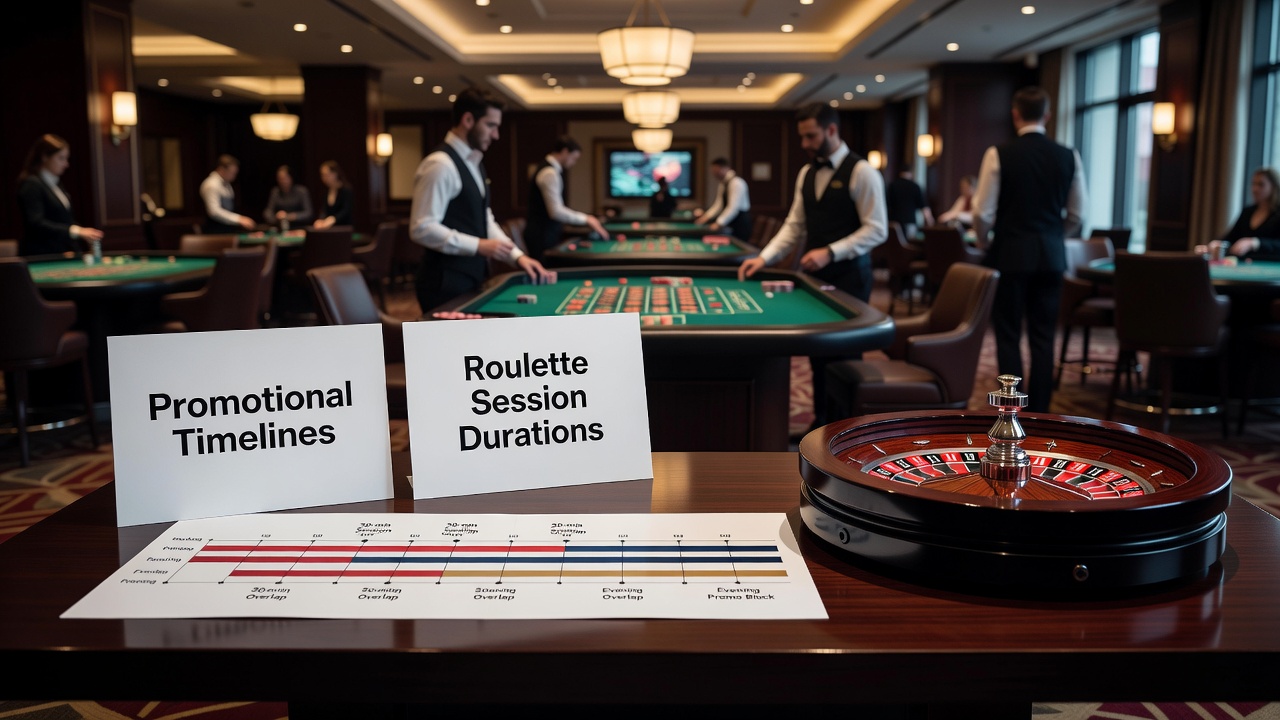
Operators in Britain's regulated casino market structure bonus validity periods around observed patterns of roulette play, where sessions often stretch from thirty minutes to several hours depending on stake levels and game variants. Data from industry reports shows that average roulette sessions in licensed environments tend to cluster around forty-five to ninety minutes for standard table play, while live dealer formats can extend further because of slower pacing and multiple betting options. Promotional offers such as reload bonuses and time-limited free spin packages therefore require precise calibration so that expiry windows align with these natural durations rather than cutting short mid-session activity.
Session Duration Patterns Across Roulette Formats
Researchers tracking player behaviour at licensed sites note that European roulette tables draw shorter bursts of activity compared with American variants, largely because of differences in house edge and betting speed. Observers note that high-stakes rooms see extended sessions stretching beyond two hours, whereas casual play areas record more frequent shorter visits interrupted by breaks. These variations create distinct windows during which operators can time promotional triggers, such as deposit matches that activate only after thirty minutes of continuous spins or cashback offers that credit at the sixty-minute mark.
Figures from international gaming oversight bodies, including analyses published by the Australian Gambling Research Centre, indicate similar session clustering in comparable regulated markets, with roulette players demonstrating consistent engagement peaks around the one-hour threshold. British operators adapt these insights by setting bonus clocks that activate during peak evening hours when longer sessions dominate, ensuring the promotional timeline overlaps with sustained play rather than isolated spins.
Structuring Time-Limited Offers to Match Play Flow
Promotional timelines in licensed UK casinos frequently incorporate staggered expiry mechanics that begin counting only after a player completes an initial qualifying spin sequence. This approach prevents early termination for those who pause between bets, a common habit during roulette sessions that involve strategic decision-making. Data indicates that reload rewards scheduled to remain active for exactly ninety minutes capture the majority of observed play cycles without extending into low-activity periods that dilute engagement metrics.
Daily incentive structures often reset at midnight, yet operators adjust individual bonus windows based on historical session data collected from July 2026 onward. During that period, platform analytics revealed a measurable uptick in afternoon sessions lasting seventy-five minutes on average, prompting several sites to introduce midday-aligned cashback windows that activate automatically once a player reaches a set number of spins within the hour. Such adjustments maintain compliance with licence conditions while matching real-time behavioural trends.
Regulatory Context and Compliance Alignment
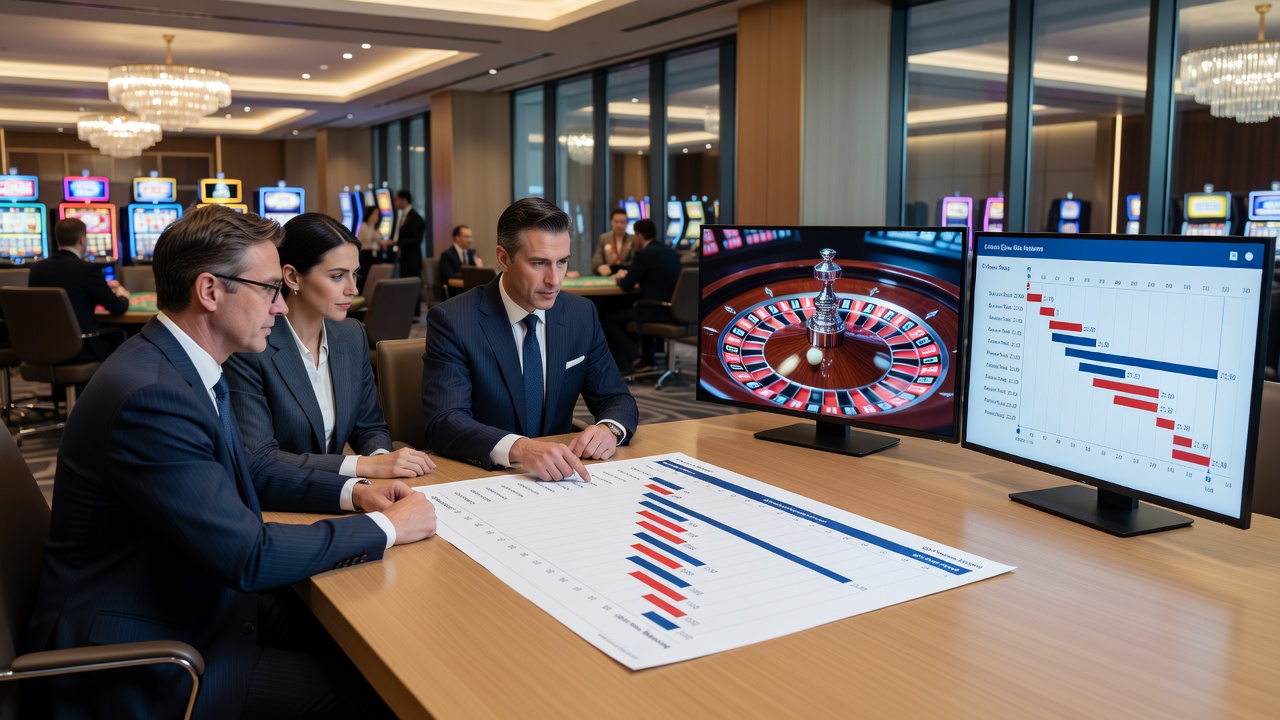
Licensed operators must ensure that promotional clocks do not create unfair pressure on session length, a requirement enforced through periodic audits that cross-reference bonus expiry data against actual gameplay logs. External reviews from bodies such as the New Jersey Division of Gaming Enforcement highlight comparable standards in other jurisdictions, where session duration statistics guide the design of time-bound offers to avoid unintended extension of play. British sites apply parallel logic by embedding session-length caps into VIP tier progressions, allowing higher-value players longer promotional windows that still terminate before fatigue sets in.
Multi-tier loyalty programmes further refine this alignment by granting extended validity periods only after documented session milestones are reached. For instance, a player who completes three consecutive thirty-minute roulette blocks may unlock an additional hour of bonus eligibility, creating a layered timeline that mirrors documented play patterns without encouraging uninterrupted marathons.
Practical Implementation Across Casino Platforms
Platform dashboards now display real-time countdowns that sync bonus expiry with estimated session completion, using algorithms derived from aggregated player data. These systems flag when a promotional window approaches the average session length recorded for that specific roulette variant, prompting players to either extend their deposit or conclude play before the offer lapses. Observers note that such transparency reduces disputes and supports responsible engagement guidelines embedded in licensing agreements.
Seasonal campaigns scheduled around major sporting events in July 2026 incorporated shorter promotional timelines of forty-five minutes to accommodate the faster decision cycles observed during high-traffic periods. This calibration allowed operators to distribute rewards more evenly across the player base while maintaining the structural integrity of each offer.
Conclusion
Effective coordination between promotional timelines and roulette session durations rests on continuous analysis of gameplay statistics and regulatory requirements. Licensed British casinos refine these alignments through iterative adjustments that respond to shifting session patterns, ensuring offers remain active throughout typical play cycles without extending beyond documented engagement norms. The result is a framework where bonus mechanics and session lengths operate in tandem across the regulated market.