The Architecture of Roulette Bonus Systems: Progression from Base to Premium Tiers
Written by Sofia Schmitt · Jul 21, 2026
The Architecture of Roulette Bonus Systems: Progression from Base to Premium Tiers
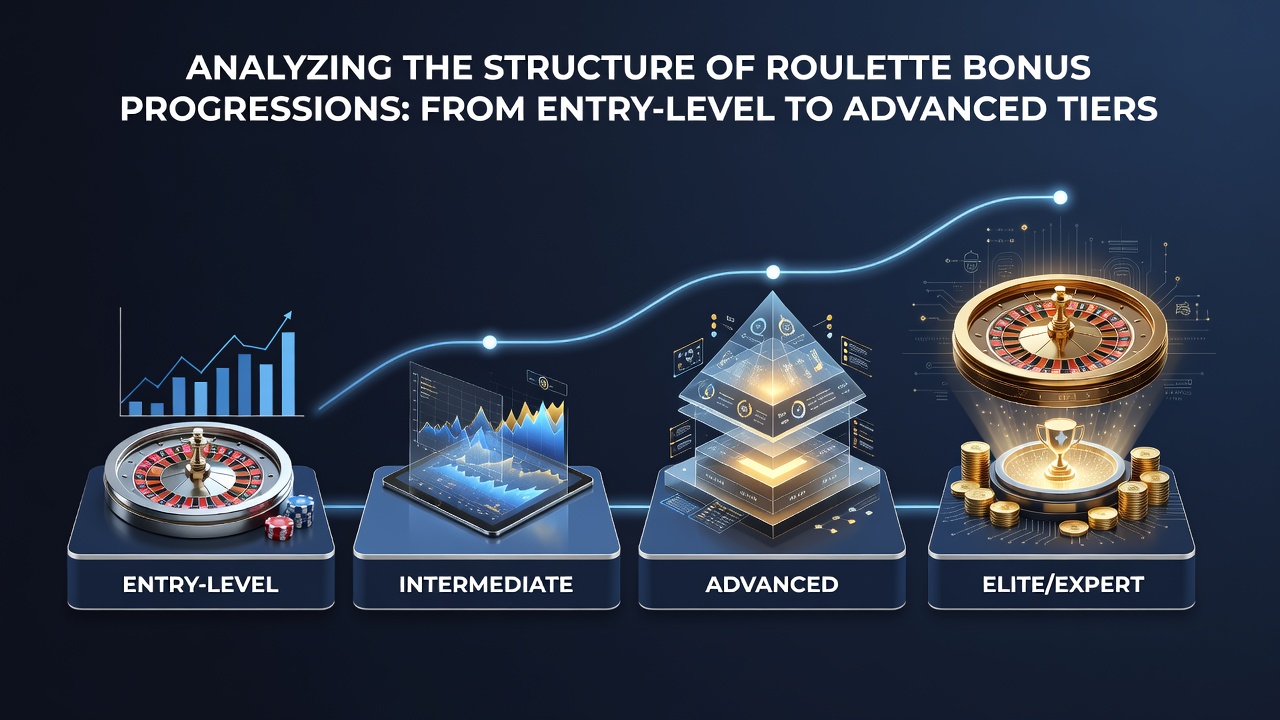
Roulette bonus progressions operate through defined structural layers that escalate based on player activity metrics, deposit volumes, and point accumulation systems, and industry reports document these frameworks across multiple regulatory environments. Entry-level structures typically begin with welcome packages that include deposit matches or free spin allocations tied to initial registration, while subsequent tiers incorporate reload incentives and cashback mechanisms that activate after specified wagering thresholds are met. Observers note that these base layers function as foundational entry points where operators establish player engagement patterns through standardized terms such as playthrough multipliers and game contribution percentages.
Entry-Level Structures and Initial Mechanics
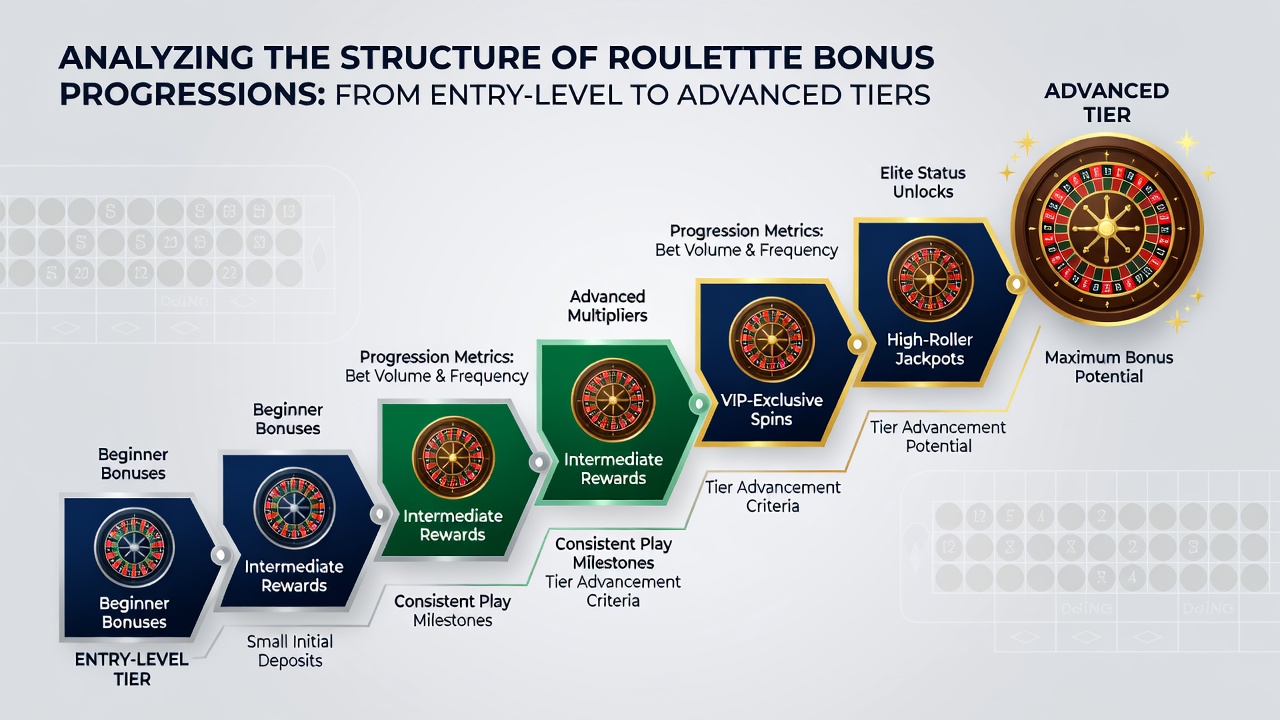
Operators design entry-level roulette bonuses around straightforward activation sequences that require account verification followed by qualifying deposits, and data from gaming authorities indicates these offers commonly feature 100 percent match rates up to fixed monetary caps with 30x to 40x wagering obligations. Points accrual begins immediately upon qualifying bets, converting roulette wagers into loyalty currency at predetermined ratios that feed directly into tier advancement algorithms. Research from the Malta Gaming Authority shows consistent application of contribution rates where roulette bets often count at 100 percent toward requirement fulfillment, distinguishing them from table game categories with reduced weighting. This initial phase establishes the baseline data points that operators use to segment players for future promotional targeting.
Intermediate Layers and Escalation Triggers
Progression into mid-tier structures occurs once players surpass cumulative deposit or activity benchmarks, unlocking reload bonuses and periodic cashback programs that scale with sustained participation, and figures from the Nevada Gaming Control Board reveal how these intermediate offerings frequently incorporate time-limited windows such as weekly or monthly cycles. Cashback percentages in this range typically start at five to ten percent and apply to net losses across roulette variants, while reload matches may reach 50 percent with adjusted playthrough conditions compared to welcome tiers. Those who study operator systems note that mid-level mechanics often introduce segmented leaderboards or challenge-based rewards that require specific spin volumes or bet sizes, creating additional progression vectors beyond simple deposit tracking. Transitions between these layers depend on automated tracking systems that monitor real-time account metrics and trigger notifications when thresholds are crossed.
Advanced Tiers and Elite Qualification Pathways
Advanced structures incorporate VIP and loyalty programs that feature personalized account managers, higher cashback ceilings, and exclusive tournament access, and academic analyses of gambling incentive models demonstrate how these tiers utilize multi-variable scoring that weighs average bet size alongside total volume. Qualification for platinum or diamond levels generally demands sustained monthly activity exceeding several thousand euros in wagers, at which point operators extend invitations rather than relying on automatic enrollment. Evidence from European regulatory filings indicates that top-tier benefits can include wager-free reward conversions and accelerated point redemption rates that reduce effective playthrough burdens significantly. These elite layers also integrate live dealer roulette incentives with dedicated tables or higher table limits reserved for qualifying accounts, creating structural differentiation from public offerings.
Cross-Regional Patterns in July 2026 Reporting
Market data compiled during July 2026 across multiple jurisdictions highlights how progression frameworks continue to standardize around digital tracking platforms that synchronize across desktop and mobile interfaces, and industry organizations such as the European Gaming and Betting Association document increasing integration of real-time analytics into tier advancement notifications. Australian regulatory summaries from the same period show similar emphasis on responsible gaming overlays that cap bonus eligibility once predetermined loss thresholds are reached, regardless of tier status. These patterns suggest operators refine structural elements to balance player retention objectives with compliance requirements that vary by region.
Conclusion
Structural analysis of roulette bonus progressions reveals interconnected layers where entry mechanics feed data into intermediate and advanced systems through consistent point conversion and threshold mechanisms. Regulatory bodies across different regions maintain oversight of these frameworks to ensure transparent terms and fair application, while operators adjust qualification criteria based on aggregated performance metrics. The progression architecture ultimately functions as an operational model that aligns promotional incentives with measurable player behaviors across the full spectrum from initial registration through sustained high-volume participation.