Tracing Incentive Pathways for Roulette Enthusiasts at Major Platforms
Written by Sofia Schmitt · Jun 20, 2026

Tracing Incentive Pathways for Roulette Enthusiasts at Major Platforms
Established platforms organize roulette incentives into sequenced structures that guide participants from initial engagement through sustained activity, and these frameworks rely on tiered rewards that activate at specific milestones. Data from regulatory filings indicate that such systems often begin with entry-level offers such as deposit matches or free spin allocations, which convert into ongoing play credits once players meet minimum wager thresholds.
Entry-Level Structures and Initial Pathways
Operators design welcome packages to establish the first segment of the player route, where a standard match bonus applies to the opening deposit and converts directly into roulette chip credits after verification steps complete. Observers note that these incentives frequently include wagering requirements set between 20x and 40x, which platforms track through automated systems that release funds only after the conditions clear. Research from the University of Nevada's gaming studies program shows that players who complete this stage tend to proceed to reload offers, creating a continuous loop that sustains activity across multiple sessions.
Additional entry tools such as cashback percentages on net losses appear in the same initial window, returning between 5% and 15% of weekly deficits as playable roulette balances. These mechanisms reduce early-stage attrition by recycling portions of spent amounts back into active accounts, and they integrate with daily login rewards that accumulate small credit amounts over consecutive days.
Mid-Tier Progression and Accumulated Rewards
After the opening phase, platforms shift participants into reload and cashback sequences that scale with deposit frequency. Figures from the American Gaming Association's annual reports reveal that mid-tier incentives often feature percentage-based matches on subsequent deposits, with caps that increase as players maintain consistent weekly activity levels. Those who accumulate sufficient loyalty points move into segmented VIP programs, where exclusive roulette tables and higher cashback rates become accessible.
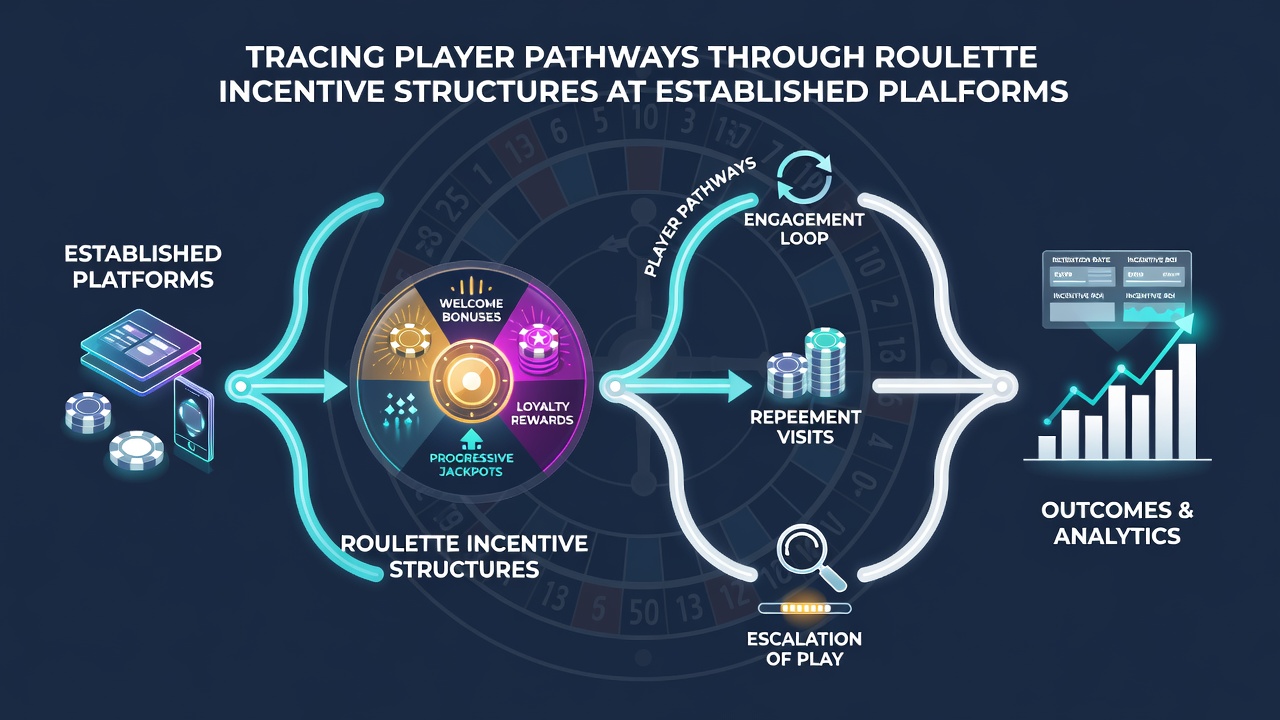
Live dealer sections frequently serve as the bridge between standard and premium tiers, since many operators allocate dedicated free play credits that apply only to real-time roulette streams. Players who engage these options trigger additional point multipliers that accelerate advancement toward higher loyalty brackets. As of June 2026, several major sites have adjusted their point accrual formulas to reward live sessions more heavily than RNG variants, reflecting shifts in participation patterns documented across industry datasets.
Advanced Tier Mechanics and Retention Loops
Higher tiers introduce personalized incentives such as no-wager free spins and private tournament entries that function as retention anchors. These rewards activate automatically once cumulative deposit or wager volumes reach preset thresholds, and they often carry shorter expiration windows to encourage prompt use. Industry analyses from the European Gaming and Betting Association indicate that such targeted offers correlate with extended account lifespans, since recipients receive tailored communications that reference their specific roulette history.
Referral chains and seasonal promotions further extend the pathway by linking individual progress to network effects. When existing participants invite new users, both parties receive bonus credits that integrate into the same tier system, creating lateral movement alongside vertical advancement. Platforms monitor these connections through referral tracking codes that feed into centralized loyalty databases.
Conclusion
Established platforms maintain roulette incentive structures as interconnected sequences that convert one-time engagements into recurring activity patterns. The progression from entry bonuses through reload cycles and into VIP segments relies on transparent milestone tracking and automated reward delivery. External data sources, including those from the University of Nevada and the American Gaming Association, document how these frameworks operate across multiple jurisdictions while adapting to evolving participation metrics through mid-2026.